Understanding Core Concept of a High Ticket Remote Closer
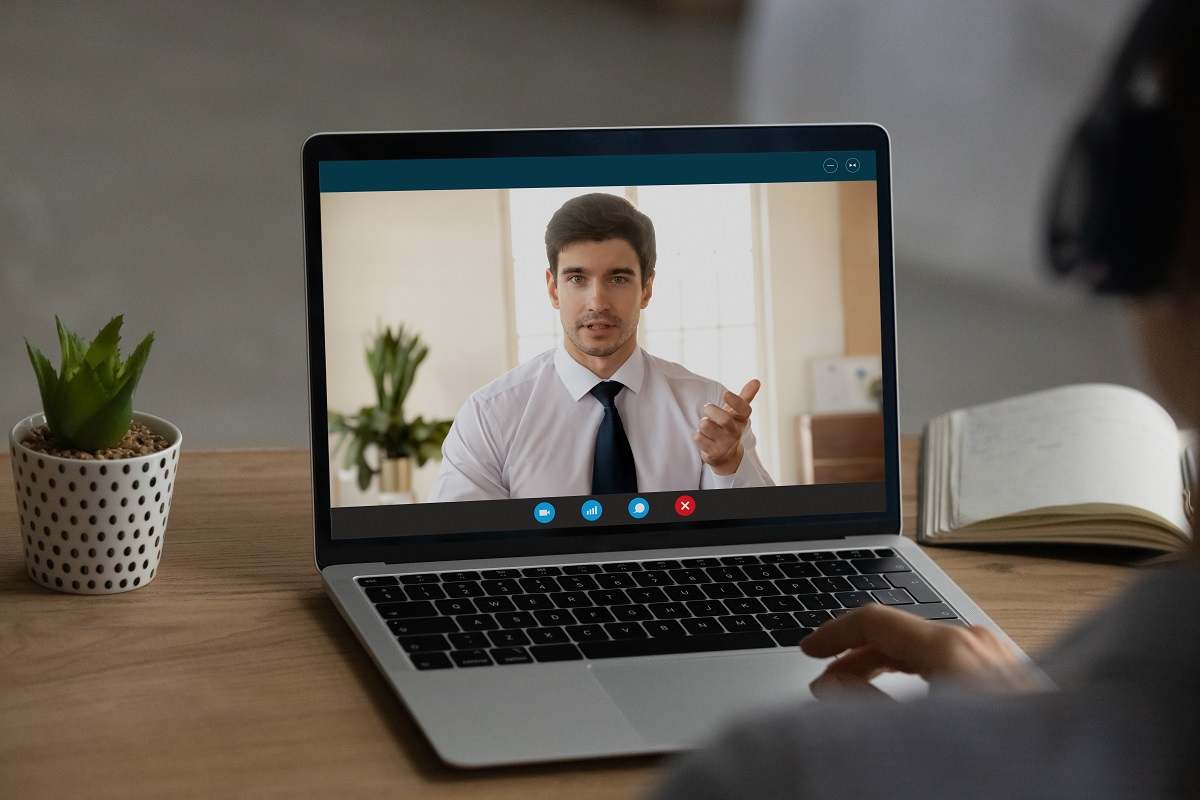
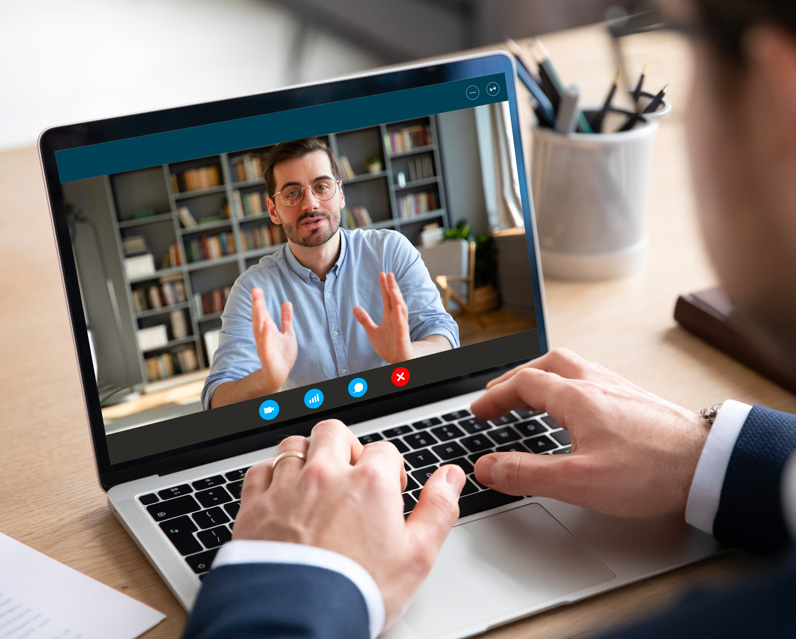
A high ticket remote closer is a sales professional who specializes in selling premium-priced products or services through remote communication channels such as phone calls or video meetings. When people ask what is a high ticket remote closer, they are usually referring to someone who helps businesses convert qualified leads into paying clients for offers that often cost thousands of dollars. These professionals do not typically handle cold outreach but instead work with warm or pre-qualified leads generated through marketing systems. The role is heavily focused on communication, persuasion, and understanding client needs at a deeper level. High ticket remote closers operate across industries where trust and value perception are essential in decision-making. Their main responsibility is not just selling but guiding prospects toward informed purchasing decisions. This makes the role both strategic and psychology-driven rather than purely transactional.
The concept has grown significantly with the expansion of online businesses and digital service offerings. Companies now rely on remote closers because they can operate globally without geographical limitations. This allows businesses to scale faster and reach wider audiences without hiring large in-house sales teams. Remote closers are often independent contractors or commission-based professionals working with multiple clients or agencies. Their performance is measured primarily by conversion rates and revenue generated from closed deals. Understanding what is a high ticket remote closer also involves recognizing how essential they are in modern digital sales ecosystems.
Evolution of High Ticket Sales in the Digital Economy
High ticket sales have evolved dramatically due to the rise of online business models and digital transformation. In earlier business environments, high-value sales were mostly conducted in person through formal meetings or physical presentations. Today, technology has enabled these conversations to happen entirely online, making the process faster and more scalable. Video conferencing tools and CRM systems have made it possible for closers to operate from anywhere in the world. This shift has contributed to the growing popularity of remote sales careers.
Businesses now prioritize efficiency and global reach, which has increased demand for remote sales professionals. The rise of coaching programs, SaaS platforms, and digital consulting services has created a strong ecosystem for high ticket sales. Companies prefer remote closers because they reduce operational costs while maintaining high conversion performance. Digital communication has also improved the speed of trust-building between sellers and buyers. As a result, the role of a high ticket remote closer has become a key part of modern revenue generation strategies.
Core Responsibilities of a High Ticket Remote Closer
The responsibilities of a high ticket remote closer revolve around guiding potential clients through the decision-making process. They engage in structured conversations that focus on understanding client goals, challenges, and desired outcomes. A major part of their role involves asking strategic questions that uncover buying motivation. They are responsible for explaining the value of an offer in a way that aligns with the prospect’s needs. Handling objections is another critical component of their daily work.
Some of the core responsibilities include:
- Conducting discovery and qualification calls
- Identifying customer pain points and goals
- Presenting tailored solutions during sales conversations
- Managing objections with clarity and confidence
- Closing deals and securing commitments
- Maintaining CRM records and follow-ups
High ticket remote closers also collaborate with marketing and lead generation teams to ensure alignment between messaging and sales outcomes. Their role requires consistency, discipline, and emotional intelligence to navigate high-stakes conversations. Every interaction is designed to move the prospect closer to a confident purchase decision.
Skills Required to Become a High Ticket Remote Closer
Understanding what is a high ticket remote closer also involves knowing the skills required to succeed in this role. Communication is one of the most important abilities, as closers must articulate value clearly and persuasively. Emotional intelligence plays a major role in understanding client behavior and responding appropriately. Active listening helps closers identify hidden objections and motivations.
Key skills include:
- Strong verbal communication and persuasion ability
- High emotional intelligence and empathy
- Confidence in handling rejection and objections
- Deep understanding of buyer psychology
- Ability to build trust quickly in conversations
- Structured thinking during sales calls
These skills are often developed through practice, training, and real-world experience. Successful closers continuously refine their approach based on feedback and performance data. The combination of technical sales knowledge and interpersonal skills makes this role highly specialized.
Daily Workflow of a High Ticket Remote Closer
The daily routine of a high ticket remote closer is structured around scheduled sales calls and preparation activities. Most of their day revolves around reviewing leads, conducting conversations, and updating CRM systems. Preparation before calls is essential to understand the prospect’s background and potential needs. Each call follows a structured flow that includes discovery, presentation, and objection handling.
A typical workflow includes:
- Reviewing incoming leads and profiles
- Preparing for scheduled sales calls
- Conducting discovery and closing conversations
- Following up with undecided prospects
- Logging outcomes in CRM systems
- Attending team coaching or training sessions
Time management is critical because many closers work across different time zones. The role demands focus, consistency, and adaptability to different client personalities. Each interaction is an opportunity to improve conversion performance and strengthen sales skills.
Tools and Technology Used in Remote Closing
Technology plays a significant role in supporting high ticket remote closers in their daily operations. These tools help streamline communication, track leads, and optimize performance. Without modern digital systems, managing high volumes of leads would be inefficient.
Common tools include:
- Video conferencing platforms for client calls
- CRM systems for tracking sales pipelines
- Scheduling software for booking appointments
- Communication tools for team collaboration
- Analytics tools for performance tracking
These systems allow closers to stay organized and focused on revenue-generating activities. They also provide valuable insights into conversion rates and customer behavior. Understanding what is a high ticket remote closer includes recognizing how technology enhances their effectiveness in remote environments.
How High Ticket Remote Closers Generate Income
Income in this profession is primarily performance-based, meaning earnings depend on how many deals are successfully closed. Most closers work on commission structures where they earn a percentage of each sale. This creates high earning potential for skilled professionals who consistently perform well. Some companies also offer base pay combined with commissions.
Income factors include:
- Size of the product or service offer
- Conversion rate of the closer
- Quality of incoming leads
- Experience level of the professional
- Industry and market demand
Because deals are high-value, even a small number of conversions can result in significant earnings. This makes the role attractive to individuals seeking flexible, high-income opportunities. However, income stability depends heavily on performance consistency.
Industries Actively Hiring High Ticket Remote Closers
High ticket remote closers are in demand across multiple industries that offer premium services. These industries rely heavily on trust-based selling and personalized communication. Businesses operating in these sectors often require skilled closers to maximize revenue from qualified leads.
Industries include:
- Online coaching and mentorship programs
- Business consulting services
- SaaS companies
- Digital marketing agencies
- Financial education platforms
- Health and fitness programs
- Real estate investment training companies
Each of these industries offers high-value products that require strong sales conversations. Understanding what is a high ticket remote closer becomes easier when observing how widely the role is used across different markets.
Training Path to Become a High Ticket Remote Closer
Becoming a high ticket remote closer usually involves structured learning and practical experience. Many professionals start with foundational sales training before moving into specialized high ticket programs. Role-playing exercises and live call simulations are common training methods.
Training often includes:
- Sales communication and persuasion techniques
- Objection handling frameworks
- Buyer psychology principles
- Real call analysis and feedback sessions
- Mentorship from experienced closers
Continuous improvement is a major part of career development. Many closers refine their skills by reviewing recorded calls and adjusting their approach. The learning process is ongoing and evolves with market trends.
Challenges Faced by High Ticket Remote Closers
Despite its benefits, this career also comes with challenges that require resilience and discipline. One of the biggest challenges is dealing with rejection on a regular basis. Not every lead converts into a sale, which can be mentally demanding. Another challenge is maintaining motivation while working remotely without direct supervision.
Common challenges include:
- Handling rejection and objections
- Maintaining consistent performance
- Managing irregular lead flow
- Adapting to different client personalities
- Staying disciplined in remote environments
Success in this field requires mental toughness and continuous skill development. Those who adapt quickly tend to perform better over time.
Traits of Top Performing High Ticket Remote Closers
Top performers in this field share several key traits that set them apart. They are highly disciplined and maintain consistent daily activity. They also possess strong emotional control during high-pressure conversations. Adaptability allows them to adjust their approach based on client behavior.
Key traits include:
- Consistency in execution
- Strong emotional control
- High adaptability in conversations
- Deep understanding of value communication
- Persistence without pressure tactics
These traits contribute significantly to long-term success in the role. Understanding what is a high ticket remote closer also means recognizing the personal qualities that drive performance.
Differences Between Remote Closers and Traditional Sales Reps
High ticket remote closers differ significantly from traditional sales representatives. Traditional sales often involve lower-priced products and higher volume interactions. Remote closers focus on fewer but higher-value deals. They also operate entirely online rather than in physical environments.
Key differences include:
- Remote closers handle high-value transactions
- Traditional reps manage higher volume, lower-ticket sales
- Remote closers work independently across global markets
- Performance-based compensation is more common in remote roles
- Communication is primarily digital or virtual
These differences highlight why the role has become increasingly popular in digital business models.
How Businesses Benefit From Hiring High Ticket Remote Closers
Businesses gain several advantages by hiring high ticket remote closers. One major benefit is reduced operational cost since there is no need for physical office space. Companies also gain access to global talent, allowing them to scale faster. Remote closers often improve conversion rates due to their specialized skills.
Benefits include:
- Lower operational expenses
- Higher conversion efficiency
- Global talent accessibility
- Scalable sales systems
- Performance-based cost structure
This model allows businesses to focus on growth while leaving sales execution to trained professionals.
Common Myths About High Ticket Remote Closing
Many misconceptions exist about this career path, especially among beginners. One myth is that it is an easy way to make quick money, which is not accurate. Another misconception is that no training is required to succeed. In reality, the role demands strong communication and psychological understanding.
Common myths include:
- It requires no skills or training
- Income is guaranteed
- Only extroverts succeed
- Sales calls are scripted and rigid
- It is an easy career path
Clarifying these misconceptions helps provide a realistic understanding of what is a high ticket remote closer.
Career Growth Opportunities in High Ticket Remote Closing
This career offers multiple pathways for long-term growth and development. Many closers move into leadership roles within sales teams. Others transition into consulting or training roles where they teach sales skills. Some eventually build their own agencies or businesses.
Growth opportunities include:
- Sales team leadership roles
- Sales coaching and training careers
- Agency ownership
- Business development positions
- Entrepreneurship in digital services
The skills developed in this field are transferable to many business environments.
Ethical Practices in High Ticket Remote Sales
Ethical selling is essential for long-term success in this industry. High ticket remote closers are expected to maintain transparency in all conversations. Their role is to guide, not pressure, prospects into decisions. Building trust is more important than forcing a quick sale.
Ethical practices include:
- Honest communication of offer value
- Aligning solutions with real client needs
- Avoiding manipulative tactics
- Building long-term trust
- Respecting client decision-making time
Ethical behavior ensures sustainable success and strong client relationships.
Future Outlook of High Ticket Remote Closing
The future of high ticket remote closing continues to look strong due to increasing digital adoption. More businesses are shifting toward remote-first models. This trend increases demand for skilled sales professionals who can operate virtually. Technology will also continue to enhance efficiency through automation and AI tools.
Future trends include:
- Expansion of remote sales teams globally
- Increased reliance on digital communication tools
- Integration of AI in sales support systems
- Growth of online coaching and SaaS industries
- Higher demand for performance-based roles
The role will continue evolving alongside digital business growth.
FAQ
What is a high ticket remote closer?
A high ticket remote closer is a sales professional who closes high-value deals remotely through phone or video calls for premium products or services.
How does a high ticket remote closer work?
They engage with qualified leads, conduct sales conversations, handle objections, and guide prospects toward purchasing decisions.
Do you need experience to become a high ticket remote closer?
Experience is helpful but not always required, as many people enter the field through training programs.
How much can a high ticket remote closer earn?
Earnings vary widely but can be significant due to commission-based income structures tied to high-value sales.
Is this a remote job?
Yes, the role is fully remote and can be performed from anywhere with a stable internet connection.
What industries hire remote closers?
Coaching, consulting, SaaS, marketing agencies, and online education companies commonly hire them.
Takeaway
Understanding what is a high ticket remote closer reveals a modern sales career built around communication, psychology, and digital business growth. It is a role that rewards skill, discipline, and consistency rather than traditional office presence. The profession offers strong income potential for those willing to develop their abilities and adapt to remote work environments. Businesses benefit from higher conversion rates and scalable sales systems, while individuals gain flexible career opportunities. Success in this field depends on continuous learning, ethical communication, and strong emotional intelligence.