Overview of High Ticket Remote Closing Careers
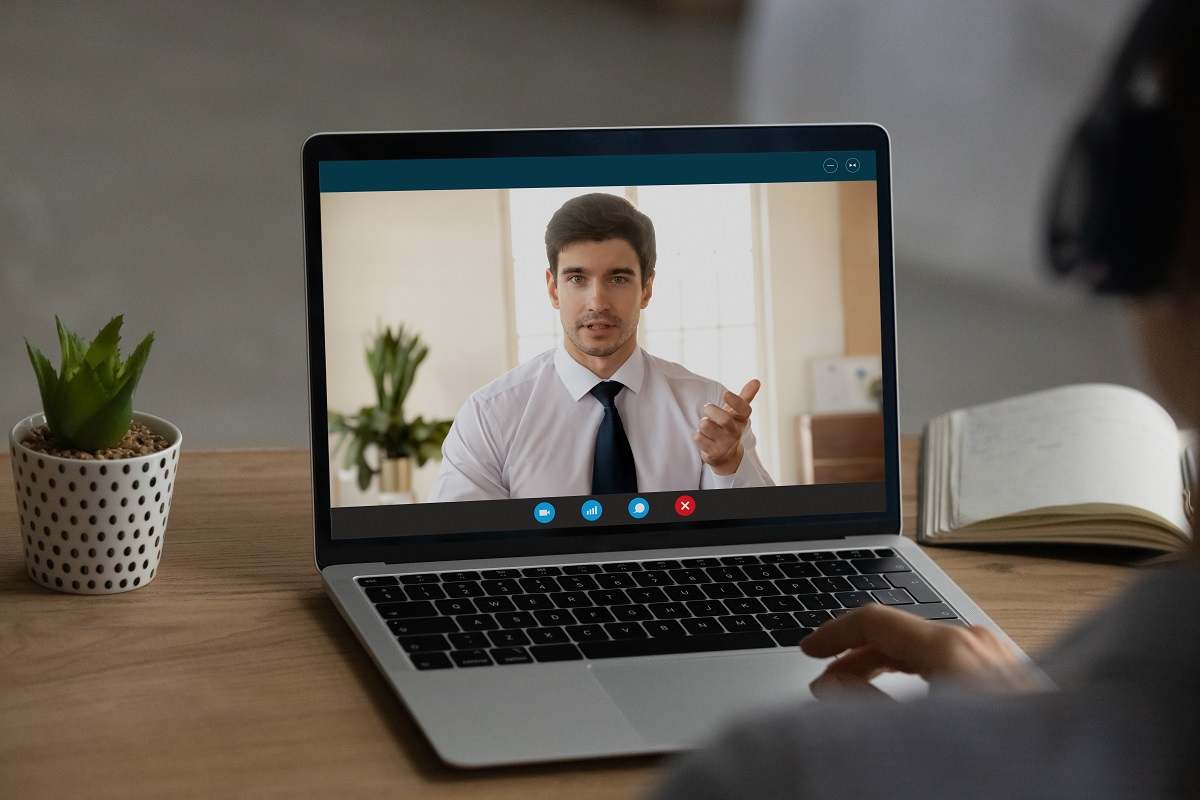
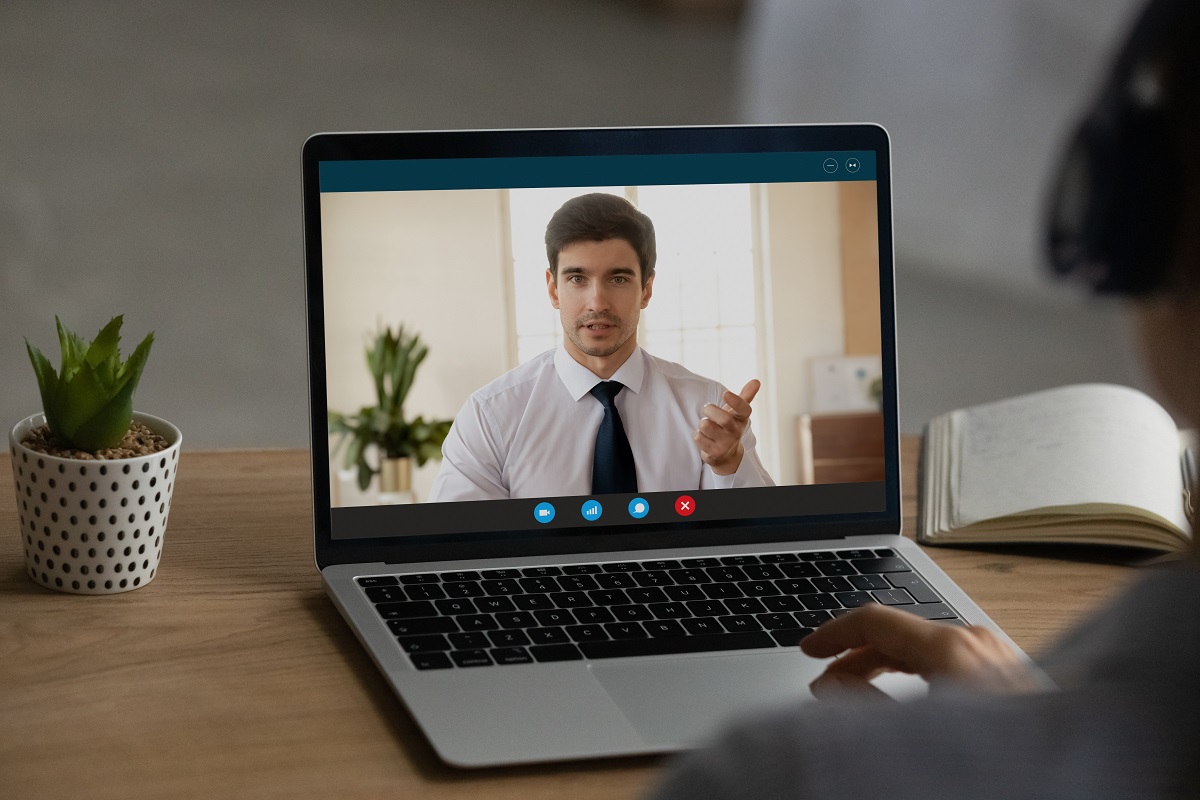
High ticket remote closing jobs represent a modern approach to sales where professionals close high-value deals entirely through virtual communication channels. These roles are centered around selling premium products or services that often range from thousands to tens of thousands of dollars in value. Instead of meeting clients in person, closers work through video calls, phone conversations, and digital communication tools. This career path has grown significantly as businesses shift toward online-first models and global customer acquisition strategies. Companies now prioritize skilled closers who can convert warm leads into paying clients without physical meetings. The demand continues to rise across industries such as coaching, consulting, SaaS, and digital marketing. Remote closers often work with international clients, making this career accessible across borders including the USA, UK, Canada, Australia, UAE, and Singapore. The flexibility and earning potential make high ticket remote closing jobs highly attractive for individuals seeking remote income opportunities. This field rewards communication ability, emotional intelligence, and structured sales thinking more than formal degrees or traditional corporate experience.
Fundamentals of High Ticket Sales in Remote Environments
High ticket sales operate on the principle of delivering significant value that justifies a premium price point. In remote environments, trust becomes the foundation of every sales interaction since physical presence is absent. Buyers often make decisions based on perceived authority, clarity of communication, and emotional connection during virtual calls. The process is less about pushing a product and more about diagnosing problems and offering tailored solutions. High ticket remote closing jobs require understanding buyer psychology and how decisions are influenced through structured conversations. Sales professionals must guide prospects through awareness, consideration, and decision-making stages. The remote format enhances efficiency but demands stronger communication skills to compensate for the lack of face-to-face interaction.
Key elements that define high ticket remote sales include:
- Value-driven conversations instead of transactional pitches
- Deep understanding of client pain points and aspirations
- Strong rapport-building within the first few minutes of interaction
- Structured call flows that guide decision-making
- Confidence in presenting premium offers without pressure tactics
The ability to maintain engagement through a screen is a defining factor in success. Remote closers who master these fundamentals often achieve consistent performance across different industries and markets.
Core Responsibilities of a Remote High Ticket Closer
Professionals in high ticket remote closing jobs carry responsibilities that extend beyond simply closing deals. Their role begins once marketing teams or appointment setters provide qualified leads. Each sales call requires preparation, emotional awareness, and strategic communication. A remote closer must identify customer needs, present solutions, and guide prospects toward confident decisions. They also handle objections in a respectful and solution-focused manner rather than using aggressive tactics.
Core responsibilities typically include:
- Conducting scheduled discovery and closing calls
- Evaluating prospect needs and readiness to buy
- Presenting tailored offers aligned with client goals
- Managing objections with clarity and confidence
- Maintaining CRM records and pipeline updates
- Collaborating with marketing and lead generation teams
- Following up with prospects who need additional nurturing
Each interaction plays a critical role in maintaining conversion rates. Remote closers are expected to act as trusted advisors rather than traditional sales representatives. Their ability to communicate value directly influences revenue generation for the business.
Skills Required to Succeed in High Ticket Remote Closing Jobs
Success in high ticket remote closing jobs depends heavily on skill development rather than formal education. Communication skills sit at the center of performance since every deal is closed through conversation. Emotional intelligence allows closers to understand client motivations and respond appropriately during calls. Confidence is essential when presenting high-value offers, especially in competitive markets. Active listening helps uncover deeper client needs that may not be immediately obvious.
Important skill areas include:
- Persuasive and empathetic communication
- Strong negotiation and objection handling
- Emotional intelligence and adaptability
- Time management for handling multiple calls
- Confidence in virtual presentation environments
- Ability to build rapport quickly
- Analytical thinking for understanding client behavior
Remote closers must also develop resilience since rejection is part of the sales process. Continuous learning and practice are necessary to stay competitive in evolving markets. The combination of soft skills and structured sales techniques defines long-term success in this field.
Essential Sales Frameworks Used in Remote Closing
High ticket remote closing jobs rely on structured sales frameworks that guide conversations toward successful outcomes. These frameworks help closers maintain consistency while adapting to different client personalities. One widely used method is consultative selling, where the focus is on diagnosing problems before presenting solutions. Another approach involves SPIN selling, which structures conversations around Situation, Problem, Implication, and Need-Payoff stages. These frameworks ensure conversations remain strategic rather than random.
Common frameworks include:
- Consultative selling for deep client understanding
- SPIN methodology for structured questioning
- Value-based selling focused on outcomes rather than features
- Story-driven communication to build emotional connection
- Authority positioning to establish trust quickly
These methods allow remote closers to navigate conversations smoothly while maintaining control of the sales process. Frameworks also reduce pressure on the salesperson by providing clear direction during calls. When applied correctly, they significantly increase conversion rates in high ticket remote closing jobs.
Tools and Technology Used in Remote Closing Roles
Technology plays a crucial role in supporting high ticket remote closing jobs. Since all interactions occur online, tools are essential for communication, tracking, and performance optimization. Video conferencing platforms allow real-time conversations with prospects across different regions. CRM systems help organize leads and track the progress of each deal. Scheduling tools simplify appointment booking and reduce administrative workload.
Common tools used in this field include:
- Video call platforms for client meetings
- CRM software for lead tracking and management
- Scheduling applications for booking calls
- Messaging platforms for team collaboration
- Automation tools for follow-up sequences
- Analytics dashboards for performance tracking
These tools streamline the sales process and improve efficiency. Remote closers who master these technologies can manage higher volumes of calls effectively. The integration of automation also allows professionals to focus more on closing rather than administrative tasks.
How to Qualify for High Ticket Remote Closing Jobs
Entering high ticket remote closing jobs does not always require formal sales degrees, but it does require preparation. Many professionals start by learning foundational sales principles through online training programs or mentorships. Practice plays a major role in developing confidence and communication skills. Role-playing exercises and mock calls are commonly used to simulate real sales environments.
Steps to qualify often include:
- Learning basic and advanced sales principles
- Enrolling in remote closing training programs
- Practicing structured sales conversations
- Building confidence through repetition and feedback
- Networking within sales communities
- Applying for entry-level remote sales roles
Employers often look for individuals who demonstrate coachability and willingness to improve. Experience in communication-heavy roles such as customer service or marketing can also be beneficial. Consistent skill development increases opportunities in competitive remote sales markets.
Common Challenges in High Ticket Remote Closing Jobs
High ticket remote closing jobs offer strong income potential but also present several challenges. One major challenge is handling rejection, which can occur frequently in sales environments. Maintaining motivation during slow periods requires discipline and mental resilience. Another difficulty involves managing inconsistent lead quality, which can affect conversion rates. Remote closers also need to adapt to different personalities and communication styles quickly.
Other challenges include:
- Managing time zones in global sales environments
- Staying productive without direct supervision
- Handling emotional pressure from performance targets
- Balancing multiple calls in a single day
- Continuously improving skills to stay competitive
Despite these challenges, many professionals find the role rewarding due to flexibility and income potential. Developing strong routines and emotional control helps overcome most obstacles in this career path.
Income Potential and Compensation Structures
Earnings in high ticket remote closing jobs can vary significantly depending on experience, industry, and performance. Most roles are commission-based, meaning income is directly tied to the number of deals closed. Some positions also include base salaries combined with performance bonuses. High-performing closers can generate substantial monthly income by closing multiple high-value deals.
Income factors include:
- Average deal size being sold
- Individual closing rate performance
- Quality of leads provided
- Industry and product pricing
- Experience and negotiation ability
Many professionals are attracted to this field due to uncapped earning potential. Unlike traditional roles, income is not strictly limited by hourly wages or fixed salaries. This creates opportunities for rapid financial growth for skilled individuals.
Industries Actively Hiring Remote Closers
Several industries actively recruit professionals for high ticket remote closing jobs. These industries rely heavily on digital sales and premium offers. Coaching and consulting businesses are among the largest employers of remote closers. SaaS companies also require skilled sales professionals to close subscription-based deals. Marketing agencies often use closers to sell high-value service packages.
Industries include:
- Online coaching and personal development
- SaaS and technology companies
- Digital marketing agencies
- Financial services and investment firms
- Education and certification platforms
- Health and wellness programs
These industries operate globally, allowing remote closers to work with international clients. The demand continues to grow as more businesses shift online.
Step-by-Step Pathway to Becoming a Remote High Ticket Closer
Building a career in high ticket remote closing jobs involves a structured learning path. Most professionals begin by learning basic sales communication techniques. Next, they practice through simulations or entry-level roles. Over time, they transition into specialized training programs focused on high ticket sales. Consistent practice helps build confidence and refine techniques.
Typical pathway includes:
- Learning foundational communication and sales principles
- Practicing through mock calls and role-play
- Gaining entry-level sales or appointment-setting experience
- Joining mentorship or training programs
- Applying for remote closing positions
- Scaling into higher-value deals and industries
Progress depends on consistency and willingness to improve. Many successful closers build their careers within months of focused training and application.
Best Practices for Remote Sales Performance Optimization
Performance in high ticket remote closing jobs improves with structured daily habits and continuous refinement. Preparation before each call increases confidence and conversion potential. Reviewing past calls helps identify areas for improvement. Maintaining energy levels throughout the day is essential for consistent performance.
Best practices include:
- Researching prospects before calls
- Following structured call frameworks
- Practicing active listening techniques
- Reviewing recorded calls for feedback
- Maintaining disciplined daily schedules
- Tracking performance metrics regularly
These habits help remote closers maintain long-term success. Consistency often separates average performers from top earners in this field.
Global Opportunities in High Ticket Remote Closing Jobs
High ticket remote closing jobs offer access to global markets without geographical limitations. Professionals can work with companies based in different countries while operating from their own location. Demand is particularly strong in regions such as the USA, UK, Canada, Australia, UAE, and Singapore. This global reach allows closers to engage with diverse clients and industries.
Working internationally also enhances cultural communication skills. Remote closers often adapt their communication style based on client background and expectations. The global nature of this career increases flexibility and earning opportunities. Businesses continue to adopt remote sales models, expanding job availability worldwide.
Future Trends in High Ticket Remote Closing
The future of high ticket remote closing jobs is shaped by technology and evolving consumer behavior. Artificial intelligence is increasingly being used to support sales processes. Automation tools are improving lead qualification and follow-up systems. Remote-first companies are becoming more common across industries.
Emerging trends include:
- AI-assisted sales insights and recommendations
- Fully remote global sales teams
- Increased personalization in sales conversations
- Data-driven decision-making in closing strategies
- Expansion of digital coaching and SaaS markets
These developments are expected to make remote closing more efficient while increasing demand for skilled professionals.
Frequently Asked Questions About High Ticket Remote Closing Jobs
Many people interested in high ticket remote closing jobs want to understand how the role works in real-world settings. One common question is whether prior experience is required, and the answer is that many individuals enter the field without formal sales backgrounds. Another frequent question involves income potential, which varies widely based on performance and deal size. People also ask whether the job is fully remote, and in most cases, it is completely location-independent. This makes it suitable for individuals across global markets.
Another concern involves job stability, and while income is often commission-based, demand for skilled closers remains strong. Some individuals also wonder about difficulty level, and success depends heavily on communication skills and practice. Training programs and mentorship can significantly reduce the learning curve. Many beginners also ask how long it takes to become proficient, which can range from a few weeks to several months depending on dedication. The field rewards continuous improvement and adaptability. Overall, this career path offers flexibility, growth potential, and access to global opportunities.
Takeaway
High ticket remote closing jobs create a powerful opportunity for individuals seeking flexible, performance-driven remote careers. Success in this field is built through communication mastery, structured sales techniques, and consistent skill development. The global demand for remote closers continues to expand across multiple industries, making it a viable long-term career path. Those who invest in learning, practice, and adaptability can unlock significant income potential while working with international clients from anywhere in the world.