
Market Landscape of High Ticket Coaching Sales Closers
The coaching industry has expanded rapidly across digital education, business mentoring, fitness transformation, mindset development, and executive performance coaching. Many coaching brands now position themselves in the premium tier where programs are priced from several thousand dollars up to $50,000 or more. This shift has created a strong demand for specialized professionals known as high ticket coaching sales closers who are responsible for converting interested prospects into committed clients. These closers operate in environments where buyers are not making impulse purchases but instead evaluating life-changing decisions. Because of this, coaching businesses depend heavily on structured sales systems that ensure every qualified lead is handled with precision.
High ticket coaching offers are typically built around transformation rather than simple knowledge delivery, which increases the emotional weight of each decision. Clients are often investing in career growth, personal reinvention, business scaling, or health improvements. This makes the role of high ticket coaching sales closers essential because they bridge the gap between interest and enrollment. Unlike traditional sales environments, this market focuses heavily on trust, belief, and perceived value. As online education continues to grow in the USA, UK, Canada, Australia, UAE, and Singapore, demand for skilled closers is becoming increasingly global.
Coaching businesses are also evolving their marketing systems with funnels, webinars, and automated lead generation tools that consistently feed closers with qualified prospects. This structure ensures that sales teams are not chasing cold leads but instead working with warm, educated audiences. The expansion of digital entrepreneurship has also contributed to more coaching brands entering the market, increasing competition and raising the importance of conversion optimization. High ticket coaching sales closers are now seen as a core revenue engine within these businesses.
Role Definition of High Ticket Coaching Sales Closers
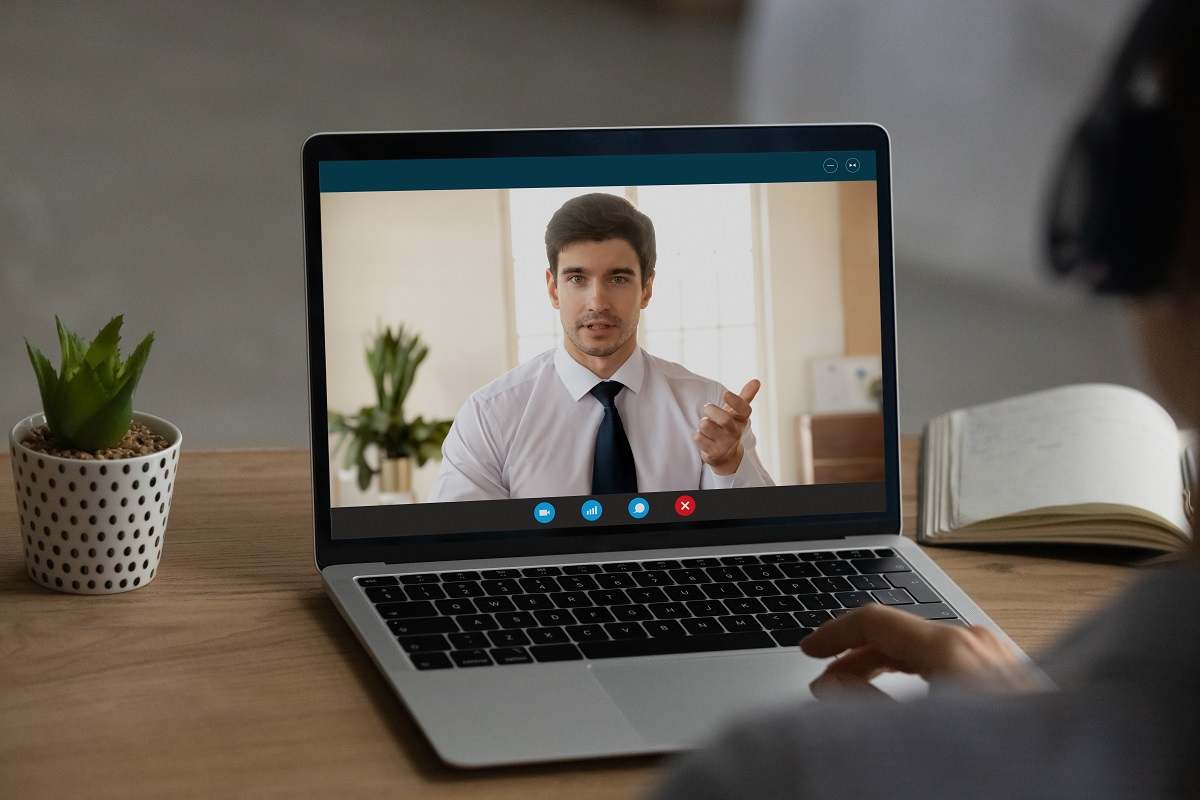
High ticket coaching sales closers operate as specialized sales professionals responsible for turning qualified leads into paying coaching clients. Their primary role is to conduct one-on-one sales conversations that guide prospects through a structured decision-making process. Unlike appointment setters who schedule calls, closers are directly responsible for revenue generation. They must understand the coaching offer deeply enough to communicate its transformation clearly and confidently.
In many coaching organizations, closers work closely with marketing teams and appointment setters to ensure a seamless lead flow. They review lead profiles before calls to understand pain points, goals, and readiness to invest. During conversations, they focus on uncovering emotional drivers rather than simply presenting features. This role requires a strong ability to listen actively and respond in real time to objections or hesitation.
High ticket coaching sales closers also maintain detailed records of conversations and pipeline progress within CRM systems. This ensures that follow-ups are timely and strategic. They often participate in team meetings to refine messaging and improve conversion strategies. Because coaching programs are high-value, each call carries significant revenue impact, making consistency and professionalism critical. The role is both performance-driven and relationship-focused, requiring a balance of empathy and strategic persuasion.
Core Skills Required for High Ticket Coaching Sales Closers
Success in this field depends heavily on a combination of psychological insight and communication mastery. High ticket coaching sales closers must understand human motivation at a deep level. They often deal with prospects who are emotionally invested in their goals, requiring sensitivity and clarity in communication. Confidence is essential, but it must be paired with authenticity to avoid appearing pushy or transactional.
Strong listening skills are one of the most important attributes. Closers must identify hidden objections and emotional resistance not explicitly stated. They also need to translate complex coaching offers into simple, outcome-driven language. Objection handling is another critical skill, especially when dealing with pricing concerns or timing hesitation.
Key skills include:
- Emotional intelligence for reading buyer behavior
- Structured communication for guiding sales conversations
- Strategic questioning to uncover motivations
- Confidence in presenting high-value transformation
- Ability to manage objections without pressure tactics
- Strong follow-up discipline for undecided prospects
High ticket coaching sales closers also require resilience because rejection is part of the process. Each call becomes a learning opportunity to refine technique and improve performance. Continuous practice and feedback loops are essential for long-term success.
High Ticket Coaching Sales Closers Sales Process Flow
The sales process in high ticket coaching environments is structured and intentional. It begins with lead qualification, where prospects are filtered based on interest level and readiness to invest. Once qualified, they are scheduled for a strategy call or consultation. This call is the primary conversion point where closers operate.
Before the call, closers review the lead’s background, goals, and previous interactions with marketing content. This preparation allows personalized conversations. During the call, discovery questions are used to help prospects articulate challenges and desired outcomes. The conversation gradually shifts toward positioning the coaching program as a tailored solution.
After presenting the offer, objections are handled with structured responses that reinforce clarity and value. If the prospect is ready, enrollment is completed during the call. If not, follow-up sequences are triggered. Post-call communication ensures prospects remain engaged within the ecosystem.
The process includes:
- Lead qualification and segmentation
- Strategy call scheduling
- Pre-call research and preparation
- Discovery and rapport building
- Offer presentation
- Objection handling
- Enrollment or follow-up sequence
This structured approach ensures consistent conversions and scalable revenue systems.
Psychological Drivers Behind High Ticket Coaching Purchases
Purchasing high ticket coaching programs is rarely purely logical. Emotional drivers play a dominant role in decision-making. Prospects often seek transformation in identity, lifestyle, or financial performance. High ticket coaching sales closers must understand these psychological triggers to guide conversations effectively.
Trust is one of the strongest factors influencing decisions. Without trust in the coach or program, prospects hesitate. Authority perception also plays a role, as buyers tend to trust established experts. Urgency is another driver that pushes action rather than delay.
Pain points often motivate purchasing decisions. These may include career stagnation, business limitations, or personal dissatisfaction. Closers help prospects visualize a future state that contrasts with their current reality, creating emotional alignment between desire and action.
Sales Scripts and Communication Frameworks for Closers
High ticket coaching sales closers rely on structured communication frameworks rather than rigid scripts. These frameworks guide conversations while allowing flexibility. The goal is natural flow and emotional alignment rather than mechanical repetition.
Frameworks typically include discovery, problem identification, solution alignment, and commitment stages. Each stage uses strategic questions designed to move the conversation forward. Language is crafted to reduce resistance and increase clarity.
Common strategies include:
- Open-ended discovery questions
- Reflective listening for clarity confirmation
- Transition phrases for conversational flow
- Value framing for offer positioning
- Neutral objection handling techniques
The focus remains on ethical persuasion and alignment rather than pressure-based tactics.
Lead Sources for High Ticket Coaching Sales Closers
High ticket coaching sales closers work with leads generated through structured marketing systems. These leads are typically warm and pre-educated about the offer. Funnels play a major role in ensuring consistent flow.
Lead sources include:
- Paid advertising campaigns
- Webinars and live training events
- Organic content marketing
- Referral networks
- Strategic partnerships
- Email nurturing sequences
These systems allow closers to focus on conversations rather than prospecting cold leads.
Compensation Models for High Ticket Coaching Sales Closers
Compensation is performance-driven in most coaching organizations. Many high ticket coaching sales closers earn commission-based income tied directly to revenue generated. This aligns incentives between closers and businesses.
Other models include base salary plus commission structures. Tiered commissions reward higher performance levels. Bonuses are often added for exceeding targets.
Income potential varies widely based on skill level, deal size, and consistency.
Tools and Technology Used by High Ticket Coaching Sales Closers
Technology plays a critical role in modern sales environments. High ticket coaching sales closers rely on multiple systems to manage performance and communication.
Common tools include:
- CRM systems for pipeline tracking
- Scheduling software for booking calls
- Video conferencing platforms
- Call recording tools for analysis
- Analytics dashboards for performance tracking
- AI sales assistance tools
These tools support scalability and global team operations.
Hiring High Ticket Coaching Sales Closers for Coaching Businesses
Hiring the right closers requires structured evaluation. Communication skills alone are not sufficient. Emotional intelligence and adaptability are essential.
Interview processes often include role-play scenarios. Candidates are tested on objection handling and conversational flow. Businesses look for alignment with ethical sales standards.
Strong onboarding systems are required to ensure performance consistency.
Training and Development Path for Closers
Training is essential for long-term success. High ticket coaching sales closers continuously refine skills through structured development programs.
Training includes:
- Role-play exercises
- Call analysis reviews
- Objection handling workshops
- Communication refinement
- Performance coaching sessions
Career progression often leads to senior sales roles or team leadership positions.
Key Performance Indicators for High Ticket Coaching Sales Closers
Performance measurement ensures optimization and accountability. Closers are evaluated using key metrics that reflect efficiency and revenue impact.
Metrics include:
- Close rate per call
- Revenue generated per closer
- Show-up rates
- Conversion rates
- Average deal size
- Pipeline consistency
These indicators help improve system performance over time.
Scaling Coaching Businesses with High Ticket Coaching Sales Closers
Scaling requires structured systems and consistent execution. High ticket coaching sales closers are central to revenue expansion strategies.
Scaling methods include:
- Standardized sales processes
- Multi-closer team structures
- International market expansion
- Funnel optimization
- Hybrid sales team models
This allows predictable and scalable revenue growth.
Global Demand and Market Expansion Opportunities
Demand for high ticket coaching sales closers continues to grow globally. Strong markets include the USA, UK, Canada, Australia, UAE, and Singapore. Remote work enables cross-border sales operations.
Cultural differences influence buyer behavior. Some regions emphasize trust-building while others prioritize speed. Globalization expands revenue opportunities significantly.
Ethics, Compliance, and Trust in High Ticket Coaching Sales
Ethical communication is essential in maintaining long-term success. High ticket coaching sales closers must ensure transparency in all interactions. Misleading claims damage trust and brand reputation.
Clear communication about expectations and outcomes builds stronger client relationships. Ethical selling supports sustainable business growth.
Common Challenges Faced by High Ticket Coaching Sales Closers
Closers face multiple challenges in high-performance environments. Emotional fatigue and rejection are common experiences. Maintaining consistency under pressure is essential.
Challenges include:
- Lead quality variation
- Emotional burnout
- Performance pressure
- Handling skepticism
- Rejection management
Strong systems and support structures help overcome these challenges.
Future Trends in High Ticket Coaching Sales Closers Industry
The industry continues to evolve with technology and automation. AI-assisted sales tools are becoming more common. Hybrid human-AI sales systems are emerging.
Other trends include niche specialization, global remote teams, and data-driven optimization. Demand for skilled closers remains strong.
FAQ
What do high ticket coaching sales closers do
They convert qualified leads into paying coaching clients through structured sales conversations focused on transformation and alignment.
How much do high ticket coaching sales closers earn
Income varies widely depending on performance, commission structure, and deal size.
Do high ticket coaching sales closers work remotely
Yes, many operate remotely across global markets including the USA, UK, Canada, Australia, UAE, and Singapore.
What skills are most important
Emotional intelligence, communication ability, objection handling, and confidence in high-value conversations.
Is experience required
Not always, as many companies provide structured training programs.
Takeaway
High ticket coaching sales closers are essential drivers of revenue in premium coaching businesses, combining communication skill, psychological insight, and structured systems to convert global leads into long-term clients.