
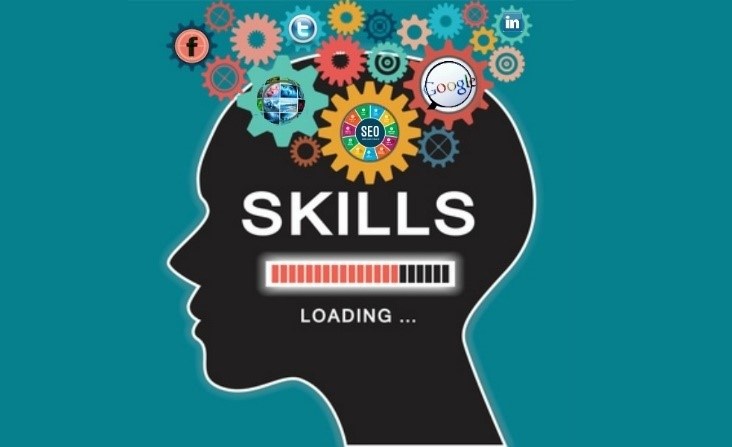
Understanding The Skill of Learning and Why It Matters
The Skill of Learning refers to the ability to acquire, process, retain, and apply knowledge efficiently across different contexts. It goes beyond simply reading information or memorizing facts because it focuses on how effectively a person can turn input into usable understanding. In modern environments where industries evolve rapidly, this ability has become a defining factor for success. People who develop strong learning capabilities are able to adapt quickly to new tools, ideas, and challenges without needing constant retraining. The Skill of Learning also shapes how individuals solve problems because it improves the ability to recognize patterns and make connections between concepts. It is not limited to academic settings and applies equally to workplace performance, personal development, and skill acquisition. Those who understand how learning works are more likely to stay competitive in environments that demand continuous growth.
The importance of The Skill of Learning is also tied to how information is consumed today. With constant access to digital content, individuals are exposed to more knowledge than ever before, yet retention remains a challenge. Without structured learning strategies, much of this information is quickly forgotten or misunderstood. Developing this skill ensures that knowledge is not only absorbed but also retained and applied effectively. It also reduces the time required to master new subjects, making learning more efficient. Over time, this creates a compounding advantage where each new skill becomes easier to acquire. As a result, The Skill of Learning becomes a foundation for lifelong adaptability and intellectual growth.
The Science Behind The Skill of Learning
The Skill of Learning is deeply rooted in neuroscience and cognitive psychology. The brain is not static; it continuously changes based on experience, a concept known as neuroplasticity. When individuals repeatedly engage with new information, neural pathways strengthen, making recall faster and more accurate. This means that learning is physically embedded in brain structure over time. Understanding this process helps explain why consistent practice is more effective than occasional study sessions. The brain essentially becomes more efficient at processing information it encounters regularly. This biological adaptability is one of the key reasons The Skill of Learning can be improved at any age.
Memory formation plays a central role in how learning occurs. Information first enters short-term memory, where it remains briefly before either being discarded or transferred to long-term storage. The transfer process depends on attention, repetition, and emotional engagement. Without reinforcement, most information fades quickly, which is why forgetting is a natural part of learning. Long-term memory, once established, allows knowledge to be retrieved even after long periods of inactivity. This system highlights why structured learning approaches are more effective than passive exposure.
Cognitive load also influences learning efficiency. The brain has limited capacity for processing new information at once, and exceeding this capacity leads to reduced understanding. Managing cognitive load involves simplifying information and breaking it into manageable segments. It also involves removing unnecessary distractions that interfere with focus. When cognitive load is optimized, The Skill of Learning becomes significantly more effective. This allows individuals to process complex ideas without feeling overwhelmed.
Core Principles That Strengthen The Skill of Learning
The Skill of Learning improves when specific principles are applied consistently. One of the most effective principles is deliberate practice, which focuses on targeted improvement rather than repetitive action. Instead of simply repeating tasks, individuals identify weaknesses and work specifically on them. This creates a feedback loop that accelerates mastery over time. Deliberate practice ensures that effort is directed toward meaningful improvement rather than surface-level repetition. It also encourages continuous evaluation and refinement of skills.
Another essential principle is spaced repetition, which involves revisiting information at increasing intervals. This method strengthens memory retention by reinforcing neural pathways before they fade. It is widely used in language learning and exam preparation because of its effectiveness. Spaced repetition prevents cramming and encourages long-term retention. It also reduces the total time required to maintain knowledge over extended periods.
Retrieval practice is another powerful technique that enhances The Skill of Learning. Instead of simply reviewing material, individuals actively recall information from memory. This strengthens neural connections and improves recall accuracy under pressure. Testing oneself is one of the most effective ways to reinforce learning. It transforms passive recognition into active knowledge retrieval.
Interleaving practice involves mixing different topics or skills during study sessions. This approach improves adaptability and problem-solving ability. It prevents dependency on predictable patterns and encourages deeper understanding. Interleaving also enhances the ability to apply knowledge in new contexts.
Key principles supporting The Skill of Learning include:
- Deliberate practice for focused improvement
- Spaced repetition for long-term retention
- Retrieval practice for active memory strengthening
- Interleaving for adaptability and flexibility
- Feedback-based learning for continuous improvement
- Incremental progression for skill mastery
- Active engagement instead of passive review
Cognitive Foundations of The Skill of Learning
Attention control is one of the most important cognitive foundations of The Skill of Learning. Without focused attention, information is not effectively encoded into memory. Modern distractions, especially digital interruptions, significantly reduce learning efficiency. Training attention involves creating structured environments where focus is sustained over time. This improves both comprehension and retention.
Working memory also plays a crucial role in learning efficiency. It is responsible for temporarily holding and processing information. Because it has limited capacity, organizing information into smaller chunks improves performance. Techniques such as visualization and grouping concepts help reduce strain on working memory. This allows more complex ideas to be understood without overload.
Long-term memory consolidation is influenced by repetition and sleep. During rest, the brain strengthens connections formed during learning sessions. This process is essential for stable knowledge retention. Without proper consolidation, information remains fragile and easily forgotten. Emotional relevance also strengthens memory formation, making meaningful content easier to recall.
Frameworks That Enhance The Skill of Learning
Structured learning frameworks provide direction for improving The Skill of Learning. Bloom’s Taxonomy is one such framework that categorizes learning into levels, starting from basic recall to creative application. Progressing through these levels helps individuals deepen their understanding systematically. It ensures that learning is not superficial but evolves into higher-order thinking.
The experiential learning cycle focuses on learning through action and reflection. It emphasizes gaining experience, analyzing outcomes, and applying insights to future situations. This cycle reinforces understanding by connecting theory with practice. It is especially useful in professional and skill-based environments.
Constructivist learning theory highlights the importance of building knowledge through experience. Instead of passively receiving information, learners actively construct understanding based on prior knowledge. This approach encourages curiosity and exploration. It also improves retention by linking new ideas to existing mental frameworks.
Practical Strategies to Strengthen The Skill of Learning
Improving The Skill of Learning requires practical application of effective strategies. Active learning is one of the most powerful methods, where individuals engage directly with the material instead of passively consuming it. Asking questions, solving problems, and discussing concepts enhances understanding. Teaching others is also a highly effective reinforcement method.
A structured approach to note-taking can significantly improve retention. Organizing information clearly allows easier retrieval later. Methods such as mind mapping help visualize relationships between ideas. Summarizing concepts in personal language strengthens comprehension.
The Feynman Technique is another powerful strategy that enhances understanding. It involves explaining a concept in simple terms as if teaching someone else. If gaps appear during explanation, they indicate areas that need further study. This method ensures deep comprehension rather than surface familiarity.
Habits That Support The Skill of Learning
Daily habits play a major role in developing The Skill of Learning. Consistent learning routines help reinforce discipline and build momentum over time. Even short daily sessions are more effective than irregular long study periods. Habit stacking, where learning is attached to existing routines, improves consistency.
Creating a distraction-free environment supports deeper focus. Reducing interruptions allows longer periods of concentrated effort. Tracking progress helps maintain motivation and ensures accountability. Over time, these habits form a strong foundation for continuous improvement.
Tools That Enhance The Skill of Learning
Modern tools significantly support The Skill of Learning by improving efficiency and organization. Digital flashcards using spaced repetition systems help reinforce memory over time. AI-powered learning platforms provide personalized recommendations based on performance. These tools adapt to individual learning styles and pace.
Productivity applications assist in managing focus and time effectively. Knowledge management tools help organize information for long-term use. Online learning platforms provide structured courses across multiple disciplines. These resources make learning more accessible and flexible.
Barriers That Affect The Skill of Learning
Several obstacles can hinder The Skill of Learning. Procrastination is one of the most common barriers, often caused by lack of clarity or motivation. Information overload also reduces effectiveness by overwhelming cognitive capacity. Without structured systems, learning becomes inefficient and inconsistent.
Poor learning strategies can also limit progress. Passive reading without engagement leads to weak retention. Emotional burnout reduces motivation and focus over time. Addressing these barriers requires structured planning and consistent practice.
Real-World Applications of The Skill of Learning
The Skill of Learning applies directly to career development and professional success. Individuals who learn quickly can adapt to new technologies and job requirements. This adaptability increases employability in competitive industries. It also supports entrepreneurship by enabling rapid skill acquisition.
In academic environments, strong learning ability improves performance and reduces study time. It also enhances understanding of complex subjects. In personal development, it supports continuous growth and self-improvement. It enables individuals to pursue diverse interests effectively.
Measuring Growth in The Skill of Learning
Progress in The Skill of Learning can be measured through several indicators. One method is evaluating how quickly new information is understood. Another is assessing how well knowledge is retained over time. The ability to apply learning in real situations is also a strong indicator.
Tracking recall accuracy helps measure memory strength. Reflection on learning sessions improves awareness of progress. Setting incremental goals ensures steady development. Over time, these measurements reveal improvements in learning efficiency.
Frequently Asked Questions
What is The Skill of Learning in simple terms?
It is the ability to learn new information efficiently, retain it effectively, and apply it in practical situations.
Can The Skill of Learning be improved at any age?
Yes, because the brain remains adaptable throughout life due to neuroplasticity.
What are the most effective techniques for improving learning speed?
Active recall, spaced repetition, and deliberate practice are among the most effective methods.
How does memory affect The Skill of Learning?
Memory determines how well information is stored and retrieved, which directly impacts learning efficiency.
Is intelligence more important than The Skill of Learning?
Learning skill often has a greater impact because it determines how effectively intelligence is applied.
What daily habits support better learning performance?
Consistent study routines, focused sessions, and regular review cycles improve learning ability.
How can improvement in learning ability be measured?
By tracking retention, understanding speed, and the ability to apply knowledge in real situations.
Takeaway
The Skill of Learning is a foundational ability that influences academic, professional, and personal growth. It is shaped by neuroscience, strengthened through deliberate practice, and supported by structured frameworks and habits. Developing this skill requires consistent effort, but the benefits compound over time, making future learning faster and more efficient. Individuals who master The Skill of Learning gain a long-term advantage in adapting to change and acquiring new capabilities throughout life.