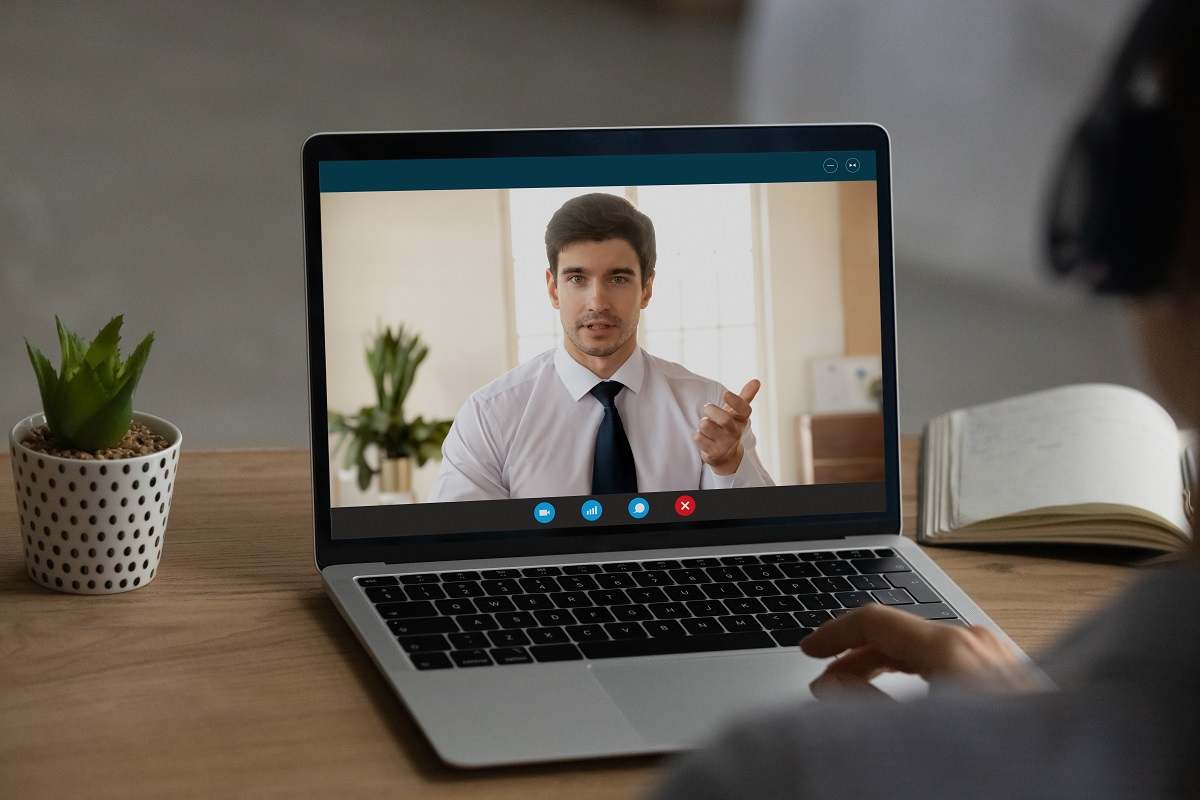

Remote Appointment Setters and the Modern Remote Sales Ecosystem
Remote appointment setters play a central role in today’s evolving digital sales landscape. Businesses across industries rely on remote appointment setters to create structured pipelines that connect potential customers with high-performing sales teams. This role has become increasingly important as companies expand globally and shift toward remote-first operations. Remote appointment setters help businesses maintain consistent outreach without geographical limitations, making them essential to modern revenue systems. Their work supports scalable growth by ensuring that qualified leads consistently reach closers who finalize deals. Many organizations now consider remote appointment setters a foundational part of their sales infrastructure. As remote work continues expanding across the USA, UK, Canada, Australia, UAE, and Singapore, demand for skilled professionals in this role keeps rising steadily.
Understanding Remote Appointment Setters in Today’s Sales Structure
Remote appointment setters are professionals responsible for initiating contact with potential customers and scheduling meetings for sales representatives. Their primary focus is not closing deals but ensuring that the sales pipeline is filled with qualified prospects. This position sits at the early stage of the sales funnel, where interest is transformed into structured conversations. Remote appointment setters often work in highly organized environments where communication consistency is essential. They are expected to follow proven outreach strategies while adapting conversations based on prospect responses. Their role bridges marketing-generated leads and sales teams responsible for revenue conversion. Without remote appointment setters, many businesses struggle with inefficient lead flow and missed opportunities.
The structure of modern sales teams has become more segmented, allowing remote appointment setters to specialize in outreach and qualification. This specialization increases efficiency and improves conversion rates across the entire sales process. Remote appointment setters contribute directly to pipeline health by ensuring only qualified leads move forward. They also help reduce workload pressure on senior sales representatives, allowing them to focus on closing high-value deals. Many companies now integrate automation tools, but human communication from remote appointment setters remains essential for building trust. The role continues evolving alongside digital sales technologies, making adaptability an important trait for success.
Core Responsibilities of Remote Appointment Setters
Remote appointment setters handle a variety of responsibilities that require communication skill, organization, and consistency. Their daily tasks revolve around engaging leads and moving them toward scheduled sales meetings. They are expected to maintain professionalism in every interaction, whether through phone calls, emails, or messaging platforms. Their performance is often measured by the number of qualified appointments booked rather than final sales.
Key responsibilities include:
- Contacting inbound and outbound leads through multiple communication channels
- Qualifying prospects based on budget, need, authority, and timing
- Scheduling appointments for sales closers or account executives
- Updating customer relationship management systems accurately
- Following structured scripts while maintaining natural conversation flow
- Managing follow-up sequences for unresponsive leads
- Coordinating calendars and ensuring appointment confirmations
Remote appointment setters must balance persistence with respect for prospect time. They also need to quickly identify whether a lead is worth pursuing further or should be disqualified. Strong organizational habits are essential because they often handle large volumes of leads daily. Their work ensures that sales teams operate efficiently without wasting time on unqualified opportunities.
Skills Required for Remote Appointment Setters
Success as remote appointment setters depends on a combination of communication, emotional intelligence, and technical ability. Clear communication is essential because every conversation influences whether a prospect agrees to a meeting. The ability to listen actively is equally important, as it helps identify underlying customer needs. Emotional intelligence allows remote appointment setters to adapt tone and messaging based on the prospect’s mindset. Time management skills ensure consistent productivity in a remote environment where supervision is minimal.
Technical knowledge is also increasingly important in modern sales systems. Remote appointment setters often use CRM platforms, automation tools, and communication software daily. Familiarity with these systems improves efficiency and reduces errors in lead tracking. Adaptability is another key skill because sales strategies frequently change based on market trends. Persistence is necessary due to the repetitive nature of outreach work. Confidence plays a major role in handling objections and maintaining engagement during conversations.
Tools Used by Remote Appointment Setters
Remote appointment setters rely on a variety of tools to manage outreach and scheduling effectively. These tools help streamline communication, improve productivity, and ensure accurate tracking of leads. Most organizations provide structured systems to support daily operations.
Common tools include:
- CRM platforms such as HubSpot and Salesforce
- Dialing systems for outbound calling campaigns
- Email sequencing tools for automated follow-ups
- Scheduling software like Calendly
- Communication platforms such as Zoom, Slack, and Google Meet
These tools allow remote appointment setters to manage large volumes of prospects efficiently. CRM systems are especially important because they store lead data and track interaction history. Dialing systems increase outreach speed, while scheduling tools reduce friction in booking meetings. Email automation supports consistent follow-up without manual effort. Communication platforms ensure smooth coordination with sales teams across different time zones. Together, these tools create a structured ecosystem that supports high-performance remote appointment setters.
How Remote Appointment Setters Drive Revenue Growth
Remote appointment setters contribute indirectly but significantly to revenue generation. Their primary impact comes from increasing the number of qualified meetings that enter the sales pipeline. More qualified meetings lead to more opportunities for closers to convert prospects into paying customers. This creates a multiplier effect on overall business performance. Remote appointment setters also reduce wasted time by filtering out unqualified leads early in the process.
By ensuring that sales representatives only engage with serious prospects, companies improve conversion efficiency. This optimization reduces customer acquisition costs and increases return on investment for marketing campaigns. Remote appointment setters also help maintain consistent pipeline activity, preventing revenue gaps. Their role is especially important in high-ticket sales environments where each appointment carries significant value. Businesses that invest in skilled remote appointment setters often experience stronger and more predictable revenue flow.
Industries Hiring Remote Appointment Setters
Remote appointment setters are in demand across multiple global industries due to their versatility and impact on sales performance. Many sectors rely on structured outreach to maintain growth and scalability.
Industries actively hiring include:
- Software as a Service companies
- Real estate agencies and property investment firms
- Financial services and insurance providers
- Digital marketing agencies
- Business coaching and consulting companies
- E-commerce and B2B service providers
Each industry uses remote appointment setters differently based on its sales cycle and customer profile. SaaS companies often require high-volume outreach, while financial services focus on qualified, high-value leads. Coaching and consulting businesses rely heavily on appointment setters to fill discovery calls. Real estate firms use them to schedule property consultations and investment discussions. Marketing agencies depend on them to convert inbound leads into sales conversations. Across all industries, the goal remains consistent: increase qualified appointments.
Salary Expectations for Remote Appointment Setters
Earnings for remote appointment setters vary depending on experience, industry, and commission structure. Many roles include a combination of base pay and performance-based incentives. Entry-level professionals typically start with modest income but can scale earnings quickly through performance.
In global markets such as the USA, UK, Canada, Australia, UAE, and Singapore, compensation tends to be competitive due to high demand for skilled sales professionals. High-ticket industries often offer higher commission structures, allowing experienced remote appointment setters to earn significantly more. Performance directly influences income, making results-driven work highly rewarding. Many professionals in this field prefer commission-heavy roles due to unlimited earning potential.
How to Become Remote Appointment Setters
Becoming remote appointment setters requires a combination of training, practice, and consistent skill development. Many individuals enter the field without prior experience but grow quickly through structured learning. Understanding basic sales principles is the first step toward success. Communication practice is essential to build confidence in real conversations.
Important steps include:
- Learning sales fundamentals and persuasion techniques
- Practicing cold calling and messaging conversations
- Understanding CRM systems and sales workflows
- Developing objection-handling strategies
- Applying for entry-level remote sales roles
- Gaining experience through freelance or commission-based work
Remote appointment setters often improve rapidly through real-world exposure. Consistency and adaptability play a major role in career growth. Many professionals transition into higher-paying sales positions after gaining experience in appointment setting roles.
Training Pathways for Remote Appointment Setters
Training programs for remote appointment setters focus on communication, sales psychology, and practical outreach techniques. Many companies offer onboarding sessions that include live call simulations and role-playing exercises. These training environments help new professionals understand real-world scenarios before engaging with actual prospects. Continuous learning is also important because sales strategies evolve over time.
Training often includes CRM tutorials, script practice, and objection-handling workshops. Some organizations provide mentorship from experienced sales professionals. Others offer recorded training libraries that allow self-paced learning. The goal of training is to ensure consistency in messaging and performance. Strong training programs significantly increase success rates for remote appointment setters.
Common Challenges Faced by Remote Appointment Setters
Remote appointment setters face several challenges that require resilience and adaptability. One of the most common challenges is handling rejection during outreach activities. Many prospects may decline or ignore communication attempts, which can be discouraging without proper mindset training. Maintaining productivity in a remote environment can also be difficult due to distractions.
Time zone differences in global markets add complexity to scheduling and communication. Lead quality can vary significantly, requiring strong qualification skills to filter effectively. Another challenge is maintaining consistency in performance metrics over time. Despite these difficulties, professionals who develop strong discipline and emotional control often excel in this field.
Key Performance Indicators for Remote Appointment Setters
Performance measurement is essential for tracking success in remote appointment setter roles. Companies rely on specific metrics to evaluate effectiveness and productivity. These indicators help managers understand how well appointment setters contribute to the sales pipeline.
Key performance indicators include:
- Number of outreach attempts per day
- Appointment booking rate
- Lead qualification accuracy
- Show-up rate for scheduled meetings
- Conversion rate from lead to appointment
- CRM data accuracy and consistency
Tracking these metrics helps identify strengths and areas for improvement. High-performing remote appointment setters consistently optimize their approach based on data feedback. This analytical approach improves overall sales efficiency.
Remote Appointment Setters Compared to Other Sales Roles
Remote appointment setters differ from other sales roles in terms of responsibility and focus. Their primary task is scheduling qualified meetings rather than closing deals. Sales development representatives often handle broader prospecting responsibilities, including pipeline building. Closers focus on final negotiations and revenue generation.
Remote appointment setters serve as the entry point in many structured sales systems. Their effectiveness determines how smoothly leads move through the sales funnel. Each role is interconnected, and success depends on collaboration across the entire sales team. Understanding these differences helps professionals choose the right career path based on strengths and goals.
Freelance vs Full-Time Remote Appointment Setters
Remote appointment setters can work either as freelancers or full-time employees depending on their preferences. Freelancers enjoy flexibility and the ability to work with multiple clients. They often earn through commission-based structures, which can be highly profitable with strong performance.
Full-time remote appointment setters benefit from structured income, training, and long-term stability. Companies provide systems, tools, and support to help employees succeed. Freelancers must independently manage their tools and workflows but gain greater autonomy. Both paths offer opportunities for growth depending on individual goals and discipline.
Best Practices for Remote Appointment Setters
High-performing remote appointment setters follow proven best practices to maximize results. Consistency in outreach is one of the most important habits. Personalization in communication improves engagement rates significantly. Active listening helps build trust with prospects and increases appointment bookings.
Strong performers also track their performance daily and adjust strategies based on results. Maintaining a positive mindset helps handle rejection effectively. Practicing scripts regularly improves confidence and fluency. Successful remote appointment setters continuously refine their approach to stay competitive in evolving markets.
Global Opportunities for Remote Appointment Setters
Remote appointment setters have access to global job opportunities due to the nature of remote work. Companies in the USA, UK, Canada, Australia, UAE, and Singapore actively hire professionals in this role. Remote work structures allow individuals to work across time zones and industries without relocation.
This global accessibility increases earning potential and career flexibility. Many businesses prefer remote appointment setters because they reduce operational costs while expanding outreach. International exposure also helps professionals develop advanced communication and sales skills.
Future Outlook of Remote Appointment Setters
The future of remote appointment setters is closely tied to advancements in digital sales technology. Automation and artificial intelligence are transforming lead generation processes. However, human communication remains essential for building trust and handling complex conversations.
Remote appointment setters will continue to play a vital role in sales ecosystems, especially in high-ticket industries. Their ability to personalize communication cannot be fully replaced by automation. As global markets expand, demand for skilled professionals in this field is expected to remain strong. Adaptability will be key to long-term success.
FAQ: Remote Appointment Setters
What do remote appointment setters do daily?
They contact leads, qualify prospects, and schedule meetings for sales teams using structured outreach systems.
Do remote appointment setters need experience?
Many companies offer entry-level opportunities with training, so prior experience is not always required.
How do remote appointment setters get paid?
Payment structures usually include base salary, commissions, or performance-based incentives depending on the company.
Can remote appointment setters work globally?
Yes, many companies hire remote appointment setters across international markets including the USA, UK, Canada, Australia, UAE, and Singapore.
What industries hire remote appointment setters?
SaaS, real estate, coaching, financial services, marketing agencies, and e-commerce businesses frequently hire them.
Is remote appointment setting a good career path?
It offers strong earning potential, remote flexibility, and opportunities for growth in sales careers.
Takeaway
Remote appointment setters play a critical role in connecting businesses with qualified prospects and driving structured sales growth. This career path offers flexibility, global opportunities, and performance-based earning potential for individuals willing to develop strong communication and discipline.