
The Rise of Dial a Closer in Modern Sales
The concept of Dial a Closer has quickly gained traction as businesses search for smarter ways to convert leads into paying clients. In a digital-first landscape where speed and expertise matter more than ever, companies are realizing that closing deals is a specialized skill that not every team member possesses. Rather than relying on generalists, organizations are turning to highly trained closers who can step in and handle critical sales conversations. This shift reflects a broader movement toward outsourcing specialized roles for better efficiency and results.
Remote work has also played a major role in accelerating the popularity of Dial a Closer services. With communication tools like Zoom, Slack, and CRM platforms becoming standard, there is no longer a need for closers to be physically present. Businesses can now tap into global talent pools and find professionals who excel specifically in high-ticket sales. This has opened doors for companies of all sizes to compete more effectively, regardless of location.
Another factor fueling this rise is the increasing complexity of high-ticket offers. Selling premium services or products often requires deep understanding, emotional intelligence, and strategic communication. A Dial a Closer brings all of these elements together, focusing solely on guiding prospects toward a confident buying decision. This specialization allows businesses to maintain high standards while scaling their operations.
As competition intensifies, the ability to close deals efficiently has become a defining factor in success. Companies that embrace Dial a Closer models are positioning themselves to respond faster, convert better, and grow more sustainably in a demanding market.
How Dial a Closer Works Behind the Scenes
A Dial a Closer system operates with precision and structure, ensuring that every lead is handled effectively. The process typically begins with lead generation, where marketing efforts attract potential customers. These leads are then filtered and qualified by appointment setters who determine whether the prospect is a good fit for the offer. By the time a closer gets involved, the conversation is already focused on decision-making rather than basic information gathering.
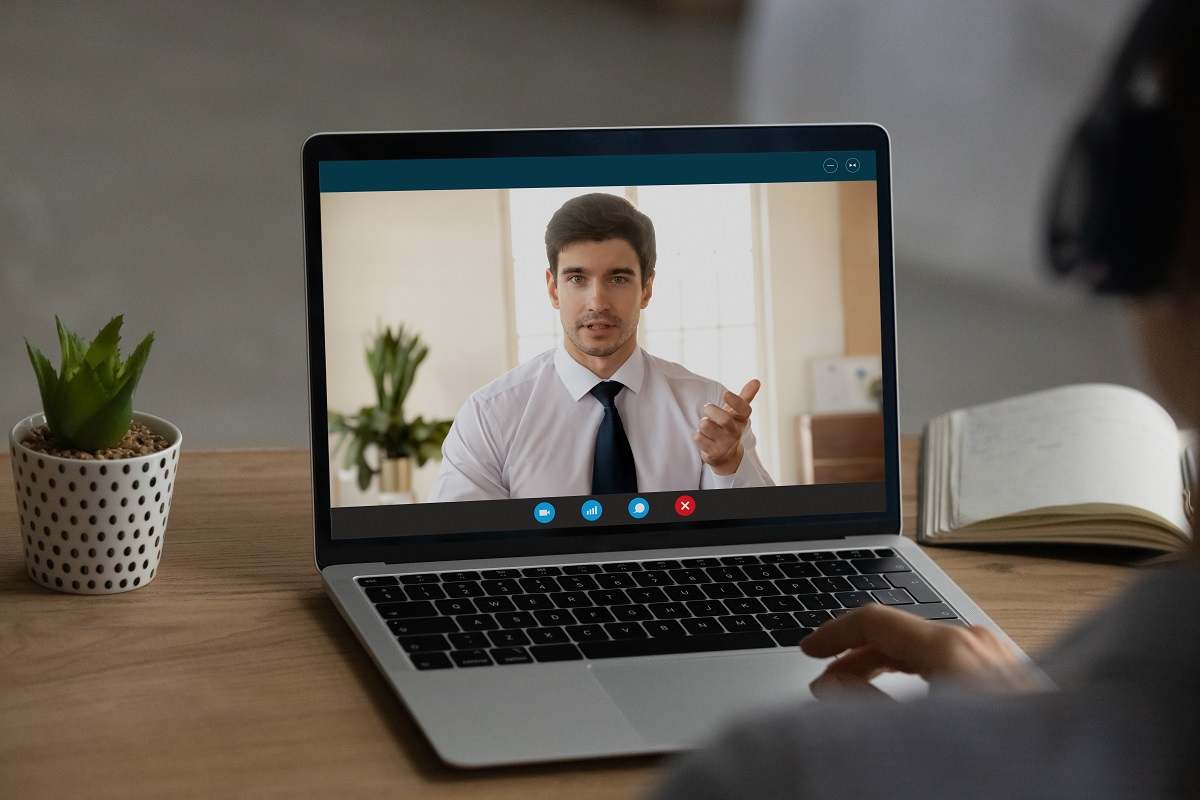
Once a qualified prospect is scheduled, the closer steps in to conduct a sales call, often via phone or video conferencing. During this interaction, the closer builds rapport, identifies the prospect’s needs, and aligns the product or service with those needs. This is not a scripted conversation but a dynamic exchange that adapts based on the prospect’s responses. Skilled closers know how to ask the right questions and guide the discussion toward a natural outcome.
Technology plays a significant role in supporting this process. CRM systems track interactions, store customer data, and provide insights that help closers personalize their approach. Call recording tools allow teams to review conversations and identify areas for improvement. Scheduling platforms ensure that appointments are managed efficiently without confusion or overlap.
Another critical component is collaboration between teams. Marketing, appointment setters, and closers must work in sync to create a seamless experience for the prospect. When each part of the system functions well, the result is a streamlined pipeline that maximizes conversion opportunities.
The effectiveness of a Dial a Closer setup lies in its ability to remove friction from the sales journey. By focusing on specialization and coordination, businesses can turn more qualified leads into satisfied customers.
Key Benefits of Using Dial a Closer Services
One of the most compelling advantages of using a Dial a Closer is the immediate access to expertise. Instead of spending months hiring and training a sales team, businesses can bring in professionals who are already skilled in closing high-ticket deals. This reduces the learning curve and accelerates results significantly.
Cost efficiency is another major benefit. Hiring full-time employees comes with expenses such as salaries, benefits, and training programs. With Dial a Closer services, businesses often pay based on performance, which aligns costs directly with revenue generation. This makes it a more flexible and scalable option for growing companies.
Scalability is particularly important for businesses experiencing rapid growth. As demand increases, companies can easily bring in additional closers without the logistical challenges of expanding an in-house team. This adaptability allows businesses to respond quickly to market opportunities without compromising quality.
Faster deal cycles are also a notable advantage. Experienced closers know how to move conversations forward efficiently, reducing the time it takes to convert a lead into a customer. This not only improves cash flow but also enhances the overall customer experience.
Finally, using a Dial a Closer frees up internal resources. Business owners and team members can focus on strategy, product development, and marketing while leaving the closing process to specialists. This division of labor leads to better outcomes across the board.
Who Needs Dial a Closer the Most
Dial a Closer services are particularly valuable for businesses that rely on high-ticket sales. Coaches and consultants, for example, often offer premium programs that require detailed conversations before a purchase decision is made. Having a dedicated closer ensures that these conversations are handled professionally and effectively.
SaaS companies also benefit greatly from this model. Selling software solutions often involves explaining complex features and demonstrating value over time. A skilled closer can simplify these concepts and help prospects see the bigger picture, leading to higher conversion rates.
Agencies offering services such as marketing, branding, or web development can use Dial a Closer professionals to handle client acquisition. This allows agency owners to focus on delivering results rather than constantly managing sales calls.
E-commerce brands with high-value products are another strong fit. When products require explanation or customization, a closer can bridge the gap between interest and purchase. This is especially useful for brands targeting premium markets.
Startups aiming to scale quickly can also leverage Dial a Closer services. Instead of building a full sales team from scratch, they can rely on experienced professionals to drive early revenue. This approach provides momentum and helps establish a strong market presence.
Skills That Define a High-Performing Dial a Closer
A successful Dial a Closer possesses a unique combination of skills that go beyond basic sales techniques. Communication is at the core, but it is not just about speaking clearly. It involves listening actively, understanding subtle cues, and responding in a way that builds trust.
Emotional intelligence plays a significant role in this process. Closers must be able to read the prospect’s emotions and adjust their approach accordingly. This ability helps create a connection that goes beyond the transactional aspect of the sale.
Objection handling is another critical skill. Prospects often have concerns or doubts, and a closer must address these effectively without being pushy. This requires a deep understanding of the product and the ability to present solutions confidently.
Adaptability is equally important. Every prospect is different, and a one-size-fits-all approach rarely works. High-performing closers tailor their strategies to match the needs and preferences of each individual.
Continuous learning is also a defining trait. The best closers constantly refine their techniques, stay updated on industry trends, and seek feedback to improve their performance. This commitment to growth ensures that they remain effective in a competitive environment.
Dial a Closer vs Traditional Sales Models
Traditional sales models often involve hiring full-time representatives who handle multiple aspects of the sales process. While this approach can work, it lacks the specialization that a Dial a Closer provides. By focusing solely on closing, these professionals bring a level of expertise that generalists may not achieve.
Flexibility is another key difference. Traditional models require long-term commitments, while Dial a Closer services can be adjusted based on business needs. This makes it easier for companies to scale up or down without significant disruption.
Compensation structures also vary. In traditional setups, employees receive fixed salaries regardless of performance. In contrast, Dial a Closer professionals are often paid based on results, which creates a strong incentive to perform well.
Efficiency is another factor to consider. With a dedicated closer, businesses can streamline their sales process and reduce bottlenecks. This leads to faster conversions and better use of resources.
The remote nature of Dial a Closer services further enhances their appeal. Businesses are no longer limited by geography and can access top talent from around the world.
Common Misconceptions About Dial a Closer Services
Despite its growing popularity, there are still several misconceptions surrounding Dial a Closer services. One common belief is that these services are only for struggling businesses. In reality, many successful companies use closers to maintain and improve their performance.
Another misconception is that outsourced closers lack brand knowledge. While it is true that they are external, proper onboarding ensures that they understand the product, audience, and messaging. With the right preparation, they can represent the brand effectively.
Some business owners assume that Dial a Closer services are too expensive. However, when compared to the costs of hiring and training a full-time team, they often prove to be more cost-effective. The performance-based nature of their compensation also aligns expenses with results.
There is also a belief that prospects may not trust an external closer. In practice, trust is built through communication and expertise, not employment status. A skilled closer can establish credibility regardless of their position.
Understanding these misconceptions helps businesses make more informed decisions about whether to adopt this model.
The Technology Powering Dial a Closer Systems
Modern Dial a Closer systems rely heavily on technology to deliver consistent results. CRM platforms are at the center of this ecosystem, providing a centralized location for managing leads, tracking interactions, and analyzing performance. These tools enable closers to access important information quickly and tailor their approach accordingly.
Call tracking and analytics software add another layer of insight. By reviewing recorded conversations, teams can identify patterns, refine strategies, and improve overall performance. This data-driven approach ensures continuous improvement.
Automation tools also play a significant role. From scheduling appointments to sending follow-up messages, automation reduces manual tasks and allows closers to focus on what they do best. This increases efficiency and minimizes errors.
Artificial intelligence is beginning to influence this space as well. AI-driven insights can help predict customer behavior, suggest optimal communication strategies, and enhance decision-making. While human interaction remains essential, these tools provide valuable support.
The integration of these technologies creates a powerful system that enhances the effectiveness of Dial a Closer services.
How to Choose the Right Dial a Closer for Your Business
Selecting the right Dial a Closer requires careful consideration of several factors. Experience is one of the most important aspects. Businesses should look for professionals who have a proven track record in their specific industry or niche.
Communication style is another key element. A closer should align with the brand’s tone and values, ensuring a consistent experience for prospects. This alignment helps build trust and credibility.
Understanding compensation structures is also crucial. Different closers may offer various pricing models, and businesses need to choose one that fits their budget and goals. Transparency in this area is essential.
Asking the right questions during the selection process can make a significant difference. This includes inquiries about past performance, strategies, and how they handle objections.
To make the decision clearer, consider these key evaluation points:
- Relevant industry experience
- Proven closing rates and metrics
- Communication and interpersonal skills
- Familiarity with your target audience
- Flexibility and adaptability
Taking the time to evaluate these factors ensures that businesses find a closer who can deliver meaningful results.
Pricing Models and ROI Expectations
Dial a Closer services typically operate on performance-based pricing models. Commission-based structures are the most common, where the closer earns a percentage of each sale. This aligns their incentives with the business’s success.
Some arrangements include a retainer plus commission, providing a balance between stability and performance. This model can be beneficial for businesses with consistent sales volume.
Pay-per-close models are another option, where businesses pay a fixed amount for each successful deal. This approach offers predictability but may require careful evaluation of costs.
Measuring return on investment is essential when using these services. Businesses should track metrics such as conversion rates, average deal size, and overall revenue growth. These indicators provide a clear picture of performance.
Balancing cost with long-term value is key. While the upfront investment may seem significant, the potential for increased revenue often justifies the expense.
Challenges Businesses May Face and How to Overcome Them
Implementing a Dial a Closer system is not without its challenges. One common issue is maintaining brand consistency. Since closers are external, businesses must provide clear guidelines and training to ensure alignment.
Another challenge is integrating closers with internal teams. Effective communication and collaboration are essential to create a seamless workflow. Regular check-ins and updates can help address this issue.
Managing expectations is also important. Businesses should have realistic goals and understand that results may vary based on factors such as lead quality and market conditions.
Trust can be a concern, both internally and externally. Building trust requires transparency, clear communication, and consistent performance. Over time, this trust strengthens relationships and improves outcomes.
By addressing these challenges proactively, businesses can maximize the benefits of Dial a Closer services.
Strategies to Maximize Results with Dial a Closer
To get the most out of a Dial a Closer, businesses need to adopt a strategic approach. Providing detailed information about the product and target audience is essential. This helps closers tailor their conversations and address specific needs.
Creating strong sales frameworks can also improve performance. While flexibility is important, having a structured approach ensures consistency and efficiency.
Feedback plays a crucial role in continuous improvement. Regularly reviewing calls and discussing outcomes allows teams to identify areas for growth.
Aligning marketing and sales efforts is another key factor. When both teams work together, the quality of leads improves, leading to higher conversion rates.
Consistency and commitment are vital. Businesses that invest time and effort into optimizing their Dial a Closer system are more likely to see long-term success.
Future Trends Shaping the Dial a Closer Industry
The future of Dial a Closer services looks promising as more businesses embrace remote sales solutions. The demand for skilled closers is expected to grow, driven by the increasing complexity of high-ticket offers.
Artificial intelligence will continue to play a larger role, providing insights that enhance decision-making and performance. However, the human element will remain central to the closing process.
Globalization is another trend to watch. Businesses are increasingly hiring talent from different parts of the world, creating diverse and dynamic sales teams.
Personalization will also become more important. Prospects expect tailored experiences, and closers will need to adapt their approaches accordingly.
As the industry evolves, businesses that stay ahead of these trends will be better positioned to succeed.
Frequently Asked Questions About Dial a Closer
What is a Dial a Closer service?
A Dial a Closer service provides businesses with skilled professionals who specialize in converting qualified leads into paying customers through structured sales conversations.
How is a Dial a Closer different from a sales representative?
A Dial a Closer focuses specifically on closing deals, while a sales representative may handle prospecting, nurturing, and other parts of the sales process.
Is Dial a Closer suitable for small businesses?
Yes, especially for businesses offering high-ticket products or services that require expert communication to convert leads.
How do Dial a Closers get paid?
Most are compensated through commission-based models, though some may work on retainers or hybrid structures.
Can a Dial a Closer work across different industries?
Many closers specialize in certain niches, but experienced professionals can adapt to various industries with proper onboarding.
Do businesses need to train a Dial a Closer?
Basic onboarding is necessary to ensure alignment with the brand, product, and target audience.
What results can businesses expect?
Results depend on lead quality, offer strength, and the closer’s expertise, but many businesses see improved conversion rates and increased revenue.
Takeaway
Dial a Closer has become a powerful solution for businesses aiming to improve their high-ticket sales performance. By leveraging specialized expertise, companies can streamline their sales process and achieve better results without the burden of building large in-house teams. The combination of skilled professionals, advanced technology, and strategic alignment creates a system that is both efficient and scalable. Businesses that embrace this approach are better equipped to navigate the challenges of modern sales and capitalize on new opportunities.