Online Sales Closers in Modern Business
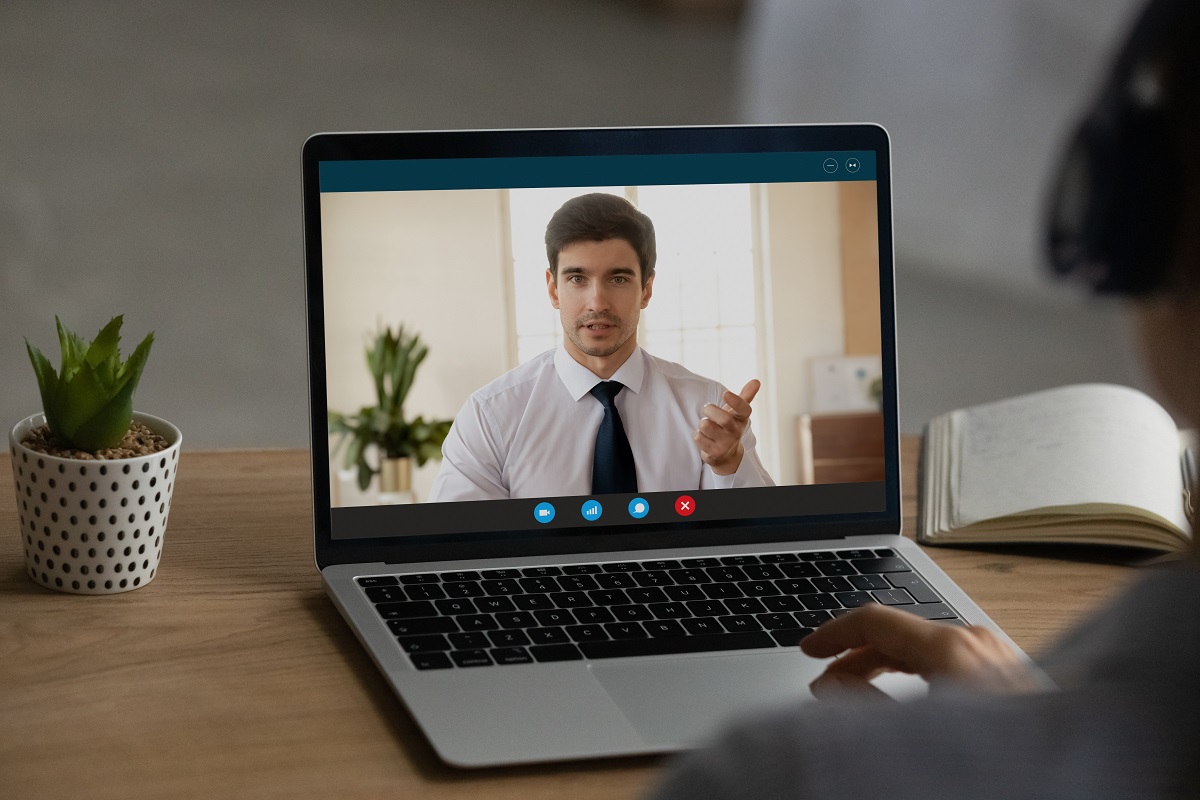
Online sales closers have become a core component of modern digital revenue systems where businesses rely heavily on remote communication to convert qualified leads into paying customers. These professionals operate in environments where buying decisions are influenced by trust, clarity, and structured conversations rather than physical meetings. The demand for online sales closers continues to grow as companies expand globally and shift toward remote-first operations. Businesses now depend on them to bridge the gap between marketing-generated interest and actual revenue. Their role is not limited to persuasion but extends to consulting and guiding prospects through complex decisions. In many industries, they are seen as the final human touchpoint before a purchase is made. This makes their presence critical in high-ticket and service-driven markets.
Online sales closers are especially effective in digital ecosystems where leads are generated through ads, funnels, and webinars. Their ability to engage prospects in real-time conversations significantly improves conversion rates. They often work across different time zones, allowing businesses to maintain continuous sales coverage. The role requires adaptability because each conversation may involve different levels of awareness and urgency. Companies investing in online sales closers often experience more predictable revenue outcomes. These professionals also help refine messaging by providing feedback from live calls. Their insights contribute to stronger marketing alignment and improved lead quality.
- Engage qualified leads through virtual meetings
- Convert interest into structured sales conversations
- Bridge marketing efforts with revenue generation
- Provide feedback to improve lead quality and messaging
- Operate across global time zones for continuous coverage
The effectiveness of online sales closers lies in their ability to understand human psychology in a virtual environment. They must quickly establish rapport and guide conversations toward meaningful outcomes. This makes them essential in industries where trust is a deciding factor. Businesses increasingly view them as strategic assets rather than simple sales representatives. Their influence extends beyond closing deals into shaping customer experience and brand perception.
Core Responsibilities of Online Sales Closers
Online sales closers carry a wide range of responsibilities that directly impact revenue performance. They are tasked with managing high-value conversations where prospects often require detailed explanations and reassurance. These professionals handle objections with structured communication techniques that help move deals forward. Their work involves understanding client needs and aligning them with tailored solutions. Every interaction is an opportunity to either build trust or lose momentum. This responsibility requires precision, emotional intelligence, and strong communication skills. The ability to maintain consistency across multiple conversations is essential.
Their role also includes managing pipelines and ensuring no qualified lead is left unattended. They coordinate closely with marketing and appointment-setting teams. Online sales closers often refine their approach based on real-time feedback from calls. They must also ensure smooth transitions after the sale to onboarding or fulfillment teams. This continuity improves customer satisfaction and retention. In many cases, they also contribute to upselling and cross-selling opportunities. Their responsibilities extend far beyond simply closing deals.
- Conduct discovery calls and sales meetings
- Identify and address customer objections
- Maintain CRM accuracy and pipeline updates
- Coordinate with marketing and fulfillment teams
- Improve conversion strategies through feedback loops
Online sales closers must also adapt their communication style based on the type of client they are engaging with. Some prospects require analytical explanations while others respond better to emotional storytelling. This flexibility is what makes them valuable in diverse industries. Their role is constantly evolving as buyer behavior changes. Companies rely on them not just for revenue but for insights into customer psychology.
Essential Skills Required for Online Sales Closers
Online sales closers must possess a combination of technical, psychological, and communication skills to perform effectively. Their success depends on their ability to build trust quickly in virtual settings. Strong listening skills allow them to uncover deeper customer needs that are not always explicitly stated. They must also be highly persuasive without appearing aggressive or pushy. Emotional intelligence plays a major role in understanding buyer hesitation. This helps them adjust their approach in real time. Confidence in handling high-ticket conversations is also essential.
They are expected to manage CRM systems and digital tools efficiently. Time management is critical because they often handle multiple leads daily. Online sales closers also need adaptability to work across industries and offer types. Continuous learning is part of their professional development. Many top performers refine their skills through call reviews and feedback sessions. They also study buyer psychology to improve conversion rates. These combined skills create a strong foundation for long-term success.
- Active listening and emotional intelligence
- Strong persuasive communication abilities
- CRM and pipeline management proficiency
- Confidence in high-ticket sales environments
- Adaptability across industries and offers
The most effective online sales closers are those who combine structured sales frameworks with natural conversational flow. They avoid sounding scripted while still maintaining control of the conversation. This balance is what separates average performers from high achievers in remote sales environments.
Types of Online Sales Closers
Online sales closers operate in different models depending on business structure and compensation systems. Some are integrated into in-house teams while others operate as independent contractors. Each model has its own advantages depending on the company’s growth stage. Businesses often choose based on scalability needs and budget flexibility. The global nature of remote work has expanded opportunities for all types of closers. This diversity allows companies to access talent from various regions. It also creates competitive environments that improve performance standards.
In-house online sales closers are deeply aligned with company culture and messaging. Commission-based closers focus heavily on performance-driven income. Agency-based closers manage multiple clients simultaneously. Freelance closers enjoy flexibility but require strong self-discipline. Each model contributes differently to business growth strategies. Companies often experiment with hybrid models for optimal performance. The choice depends on sales volume and operational complexity.
- In-house closers aligned with brand strategy
- Commission-based performance-driven closers
- Agency-managed remote closing teams
- Freelance independent sales professionals
Each type of online sales closers brings unique strengths to a business. The right structure depends on how quickly a company wants to scale and how much control it wants over the sales process. Many organizations eventually combine multiple models to maximize efficiency.
Industries That Rely on Online Sales Closers
Online sales closers are widely used across industries that depend on high-value transactions and consultative selling. SaaS companies rely on them to convert trial users into paying subscribers. Coaching and consulting businesses use them to close transformational offers. E-commerce brands selling premium products also depend on their expertise. Digital marketing agencies utilize closers to convert ROI-driven leads. Online education platforms use them to increase enrollment rates. These industries share a common need for trust-based selling.
Their ability to communicate value makes them effective in complex buying environments. Online sales closers help simplify decision-making for prospects. They also assist in reducing hesitation during the final stages of the buying journey. Businesses in these industries often experience improved conversion rates when using structured closing systems. Their adaptability makes them valuable across multiple verticals. This versatility continues to expand their demand globally.
- SaaS subscription conversions
- Coaching and consulting programs
- Premium e-commerce products
- Digital marketing services
- Online education platforms
Online sales closers bring consistency to industries where revenue depends on human interaction. Their presence ensures that leads are not lost due to poor communication or delayed follow-ups. This makes them essential in modern digital sales ecosystems.
Sales Funnel Operations and Online Sales Closers
Online sales closers operate at the final stage of the sales funnel where conversion decisions are made. They interact with leads that have already been warmed through marketing efforts. Their job is to turn interest into commitment through structured conversations. This requires alignment between marketing messages and sales delivery. Any disconnect can reduce conversion rates significantly. Online sales closers ensure continuity between funnel stages. They also help optimize funnel performance through feedback.
- Qualifying leads before sales calls
- Engaging prospects in structured conversations
- Aligning offers with customer expectations
- Identifying friction points in the funnel
- Improving follow-up systems for conversions
Funnels become more effective when online sales closers actively contribute insights from real conversations. This helps marketing teams refine messaging and targeting strategies. The result is a more efficient and profitable sales ecosystem.
Technology Stack Used by Online Sales Closers
Online sales closers depend heavily on digital tools to manage workflows and improve performance. CRM systems are essential for tracking leads and monitoring progress. Video conferencing tools enable remote communication with prospects. Automation tools help schedule calls and manage follow-ups. AI-driven analytics provide insights into performance trends. These technologies streamline operations and improve efficiency. They also allow closers to focus more on conversations than administrative tasks.
- CRM platforms for pipeline tracking
- Video conferencing tools for sales calls
- Automated scheduling systems
- AI-powered lead scoring tools
- Call tracking and analytics software
Technology enhances the effectiveness of online sales closers by reducing manual effort. It also provides data-driven insights that help improve conversion strategies. Businesses investing in the right tools often see better scalability and consistency.
Hiring Online Sales Closers
Hiring online sales closers requires careful evaluation of both skill and mindset. Companies must assess communication ability and real-world sales performance. Experience alone is not always the best indicator of success. Practical assessments and role-playing scenarios often reveal true capability. Cultural alignment also plays an important role in global teams. Businesses operating internationally must ensure adaptability across markets. Hiring decisions directly impact revenue performance.
- Evaluate communication and persuasion skills
- Test real-world sales scenarios
- Assess adaptability to different markets
- Review past performance metrics
- Ensure cultural and operational alignment
Strong hiring processes lead to more consistent sales outcomes. Companies that invest time in selection often build stronger closing teams. This reduces turnover and improves long-term revenue stability.
Training and Onboarding Online Sales Closers
Training online sales closers is essential for maintaining performance consistency. New hires must understand the product or service in detail. They also need exposure to real sales conversations early in their training. Structured onboarding programs help accelerate performance readiness. Continuous feedback loops improve skill development over time. Call reviews are particularly effective in identifying improvement areas. Businesses that invest in training see higher conversion rates.
- Product and offer mastery
- Live call shadowing sessions
- Objection handling practice drills
- CRM and system training
- Continuous performance feedback
Training ensures that online sales closers remain aligned with business goals. It also helps them develop confidence in handling complex conversations. This directly contributes to improved sales outcomes.
Key Performance Indicators for Online Sales Closers
Performance measurement is essential for optimizing sales operations. Online sales closers are evaluated based on conversion efficiency and revenue impact. Metrics help identify strengths and improvement areas. They also guide strategic decision-making in sales teams. Companies rely on these indicators to scale effectively. Performance data ensures accountability and transparency. It also improves forecasting accuracy.
- Close rate per call
- Revenue generated per closer
- Conversion from booked calls
- Pipeline velocity
- Average deal size
Tracking these metrics helps businesses refine their sales systems. It ensures that online sales closers remain aligned with organizational goals.
Challenges Faced by Online Sales Closers
Online sales closers face several challenges in remote environments. One of the most common is dealing with inconsistent lead quality. Another challenge is maintaining energy across multiple daily calls. Time zone differences can also create scheduling difficulties. Handling objections in high-ticket environments requires emotional resilience. Communication barriers may arise in global teams. Despite these challenges, strong systems help maintain performance.
- Managing inconsistent lead quality
- Preventing burnout from high call volume
- Handling price objections effectively
- Navigating global communication differences
- Maintaining motivation under pressure
Overcoming these challenges requires discipline and structured support systems. Businesses that provide proper resources help closers perform at higher levels.
Ethical Standards in Online Sales Closers
Ethical selling is a core principle for sustainable revenue growth. Online sales closers must prioritize transparency in all conversations. They should avoid pressure-based tactics that harm long-term trust. Clear communication about product value is essential. Data privacy and compliance are also important considerations. Ethical practices improve brand reputation. They also increase customer retention.
- Transparent communication practices
- Respectful objection handling
- Compliance with global regulations
- Honest representation of offers
- Customer-first approach in selling
Ethical standards ensure that online sales closers contribute positively to business growth. They also strengthen long-term customer relationships.
Scaling Global Sales with Online Sales Closers
Global expansion is easier with remote closing systems. Online sales closers enable businesses to operate across multiple regions. They support revenue generation in different time zones. Companies can access talent from the USA, UK, Canada, Australia, UAE, and Singapore. Localization strategies improve conversion rates in different markets. Distributed teams ensure continuous sales coverage. This model supports rapid scalability.
- Building distributed global teams
- Adapting messaging to regional markets
- Leveraging time zone advantages
- Expanding into high-growth regions
- Standardizing remote sales systems
Global scaling becomes more efficient with structured online sales closers teams. Businesses can grow without traditional geographical limitations.
Outsourcing vs In-House Online Sales Closers
Companies often debate whether to outsource or build internal sales teams. Outsourcing provides flexibility and faster scaling. In-house teams offer better control and alignment. Each model has trade-offs depending on business goals. Hybrid systems are becoming increasingly common. Decision-making depends on budget and growth stage. Both models can be highly effective when structured properly.
- Outsourcing for rapid scalability
- In-house for brand alignment
- Hybrid models for flexibility
- Cost considerations for each approach
- Control versus efficiency balance
Choosing the right model depends on long-term business strategy. Many companies adjust their approach as they grow.
Cost Structures in Online Sales Closers
Compensation models vary widely across industries. Commission-based structures are common in high-ticket sales. Some companies offer base salary plus commission. Agencies often use retainer models. Freelancers may work on per-sale agreements. Each structure impacts motivation and performance differently. Businesses choose based on scalability needs.
- Commission-only compensation models
- Hybrid salary plus commission systems
- Agency retainer structures
- Freelance per-sale agreements
- Performance-based incentives
Cost structures influence how online sales closers perform. Well-designed incentives lead to higher conversion rates.
Optimization Strategies for Online Sales Closers
Improving performance requires continuous optimization. Businesses refine scripts based on real call data. Lead quality improvements increase conversion rates. Follow-up systems enhance closing efficiency. A/B testing helps improve messaging strategies. Recording calls allows for performance analysis. Optimization is an ongoing process.
- Improve lead quality through targeting
- Refine scripts using call data
- Enhance follow-up systems
- Analyze recorded calls for insights
- Test different sales approaches
Optimization ensures that online sales closers consistently perform at high levels. It also improves overall revenue predictability.
Future Trends for Online Sales Closers
The future of online sales closers is closely tied to technology and automation. AI tools will assist in lead qualification and analysis. Remote sales teams will continue expanding globally. Personalization will become more advanced. Voice-based AI systems may support early-stage conversations. Data-driven selling will become standard practice. The industry will continue evolving rapidly.
- AI-assisted sales tools
- Expansion of remote-first sales teams
- Hyper-personalized selling strategies
- Advanced behavioral analytics
- Global talent integration
These trends will redefine how online sales closers operate in the coming years.
Frequently Asked Questions About Online Sales Closers
Online sales closers are often misunderstood despite their growing importance in digital sales environments. Many businesses want to know how they contribute to revenue growth. Others are curious about required skills and hiring processes. The role continues to evolve as remote selling becomes more dominant. Clear understanding helps companies use them effectively. Their impact is most visible in high-ticket industries. Questions about compensation and performance are also common.
- What does an online sales closer do in a business
- How are online sales closers different from sales representatives
- What industries benefit most from online sales closers
- How are online sales closers compensated
- Can online sales closers work globally
These questions highlight the growing relevance of the role in modern business environments.
Takeaway
Online sales closers have become a critical part of global digital revenue systems where structured conversations drive purchasing decisions. Their ability to connect marketing efforts with actual sales outcomes makes them indispensable in high-ticket and service-based industries. Businesses that invest in training, tools, and proper systems for online sales closers often achieve stronger and more predictable growth. As remote work continues to expand, their role will only become more central in global sales strategies.